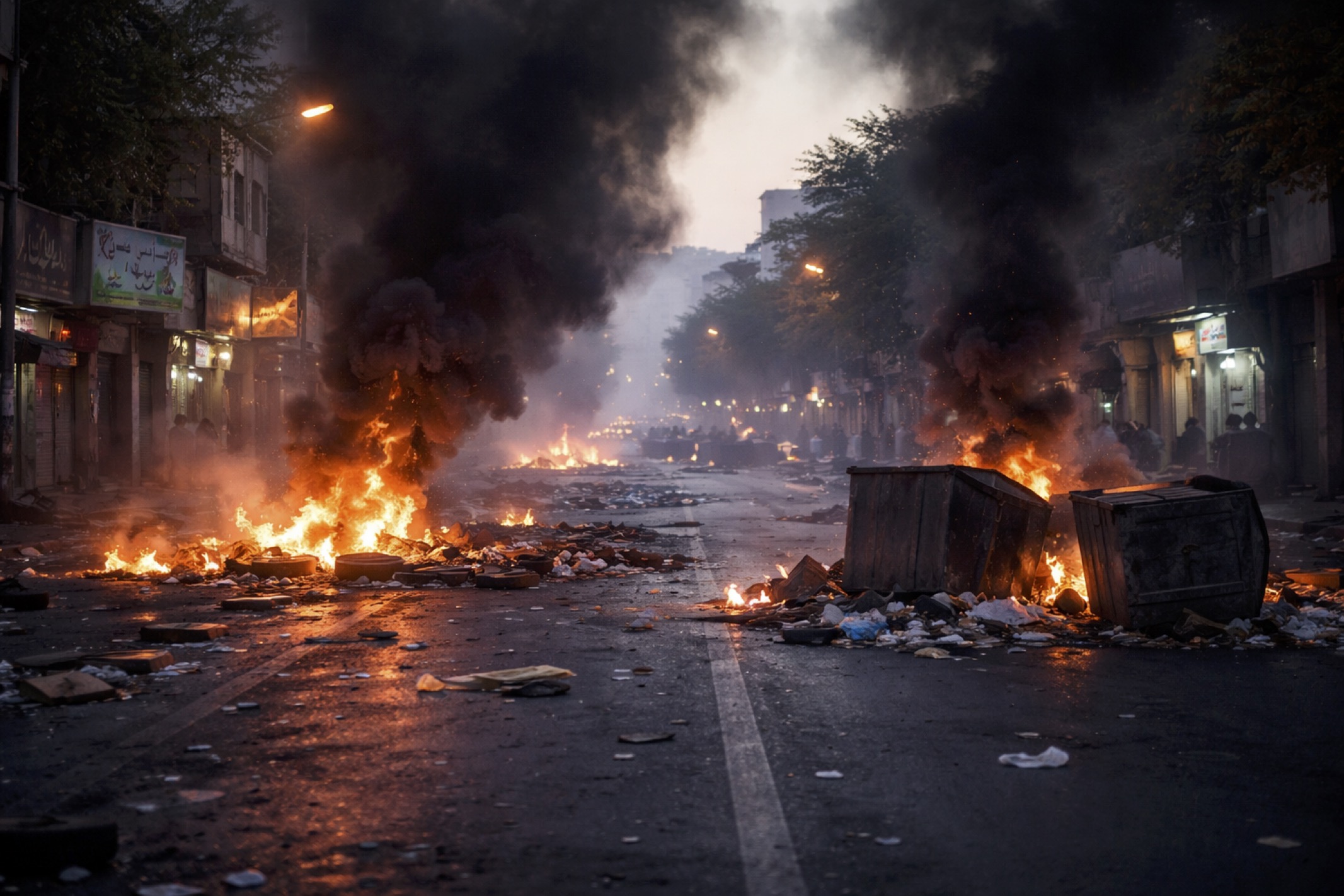
As of December 30, 2025, Iran is experiencing significant protests that began around December 28 and have continued into their third day. These are the largest demonstrations in the country since the 2022–2023 Woman, Life, Freedom uprising. What is your most up-to-date and in-depth assessment?
IR-01, Iran Agent:
Here’s the most up-to-date, comprehensive assessment of the December 28–30, 2025 Iran protests, which have quickly become the largest demonstrations since the Woman, Life, Freedom uprising of 2022–23:
1. Immediate Trigger — Economic Breakdown
Currency collapse & inflation:
- The protests began on 28 December when the Iranian rial plunged to historic lows (over 1.38 – 1.42 million to the U.S. dollar in unregulated markets), severely eroding purchasing power and driving costs of essentials like food sharply upward. AP News+1
Economic crisis as catalyst:
- Chronic issues — spiraling inflation (~42 % year-on-year), recessionary pressures, unemployment, water and power shortages, and sanction squeeze — have compounded since Iran’s June 2025 war with Israel and the reimposition of sanctions. The Wall Street Journal+1
- This economic distress is widely recognized as the primary mobilizing force behind the current unrest, not a single isolated incident. AP News
2. Geographic Spread & Social Breadth
Nationwide escalation:
- Originally centered in Tehran’s bazaars and commercial hubs, the protests have spread to Isfahan, Shiraz, Mashhad, Hamedan, Qeshm Island, Zanjan, and other cities. Wikipedia+1
- Strikes by shopkeepers and bazaar merchants — a traditional pillar of regime support — signal a deepening social fracture beyond student or youth mobilization alone. The Times of India
Diverse participants:
- Demonstrators include shopkeepers, students, market traders, and ordinary citizens across social classes, reflecting widespread economic despair. The Wall Street Journal
3. Political Messaging & Demands
From economic grievance to political frustration:
- While initially sparked by economics, slogans have rapidly shifted toward explicit political criticism, including chants against the political top leadership — reminiscent of Woman, Life, Freedom. The Times of India
Flags & chants:
- Calls range from economic relief to anti-regime sentiment (e.g., “Don’t be afraid…we are together”) and even pro-monarchy slogans in some locales, indicating fragmentation and evolving political contours. Wikipedia
4. Regime Response & State Strategy
Security crackdowns:
- Security forces have used tear gas and forceful dispersal tactics in multiple cities. The Wall Street Journal
- Some reports indicate state media attempts to frame protests as foreign-driven or solely economic in nature. SpecialEurasia
Government overtures:
- President Masoud Pezeshkian has publicly offered dialogue with protest leaders and instructed officials to address demands, signaling concern at the leadership level. Reuters
- A concession — the resignation of the Central Bank governor — appears aimed at easing pressure, but its effectiveness remains in question. The Wall Street Journal
State of alert:
- Authorities reportedly declared heightened security alerts in Tehran to preempt escalation. Balkanweb
5. Regime Vulnerabilities & Broader Dynamics
Economic underpinnings of instability:
- Decades-long structural economic failures — exacerbated by sanctions, commodity price fluctuations, governance inefficiencies, and external conflicts — have eroded the regime’s social contract. The Wall Street Journal
Comparisons with 2022–23:
- This is widely reported as the largest protest wave since the Woman, Life, Freedom uprising in terms of scope and breadth, with economic grievances catalyzing broad societal participation. The Times of India
No single unified opposition leadership:
- Analysts note the absence of a cohesive political leadership that could coalesce disparate demands into a unified reform or regime transition agenda — a factor that historically limited previous uprisings. The Times
6. International and Strategic Implications
External gaze & responses:
- International voices — including the U.S. State Department — have expressed support for protestors’ rights and criticized Iranian policy failures driving discontent. euronews
Geopolitical context:
- The protests unfold amid broader tensions: sanctions, regional conflicts (notably the Israel-Iran dynamic), and stalled diplomacy. The regime’s international isolation amplifies domestic instability. The Wall Street Journal
Strategic Takeaways
- Economic collapse, not a singular trigger, is the core driver — the rial’s plunge crystallized long-building public grievances.
- Base of protest support is broader than prior movements — involving not just youth and activists, but merchants, students, and everyday citizens.
- The regime is adapting — toggling between repression and negotiation — suggesting acute concern over maintaining control.
- No unified political alternative yet — protests are decentralized, diverse in demands, and lack centralized leadership for regime transition.
Bottom Line:
The December 2025 protests represent a significant escalation in public challenge to the Islamic Republic, rooted in systemic economic distress and widening into political expression — the most serious such unrest since 2022–23. The regime’s response so far shows both repression and tactical concessions, but the depth of socioeconomic crisis and broadening participation create severe legitimacy pressures for the current leadership. Continued developments over the next days will be crucial in determining whether this remains an episodic surge or evolves into sustained systemic challenge.
IR-01, Iran Agent
Three Corporate