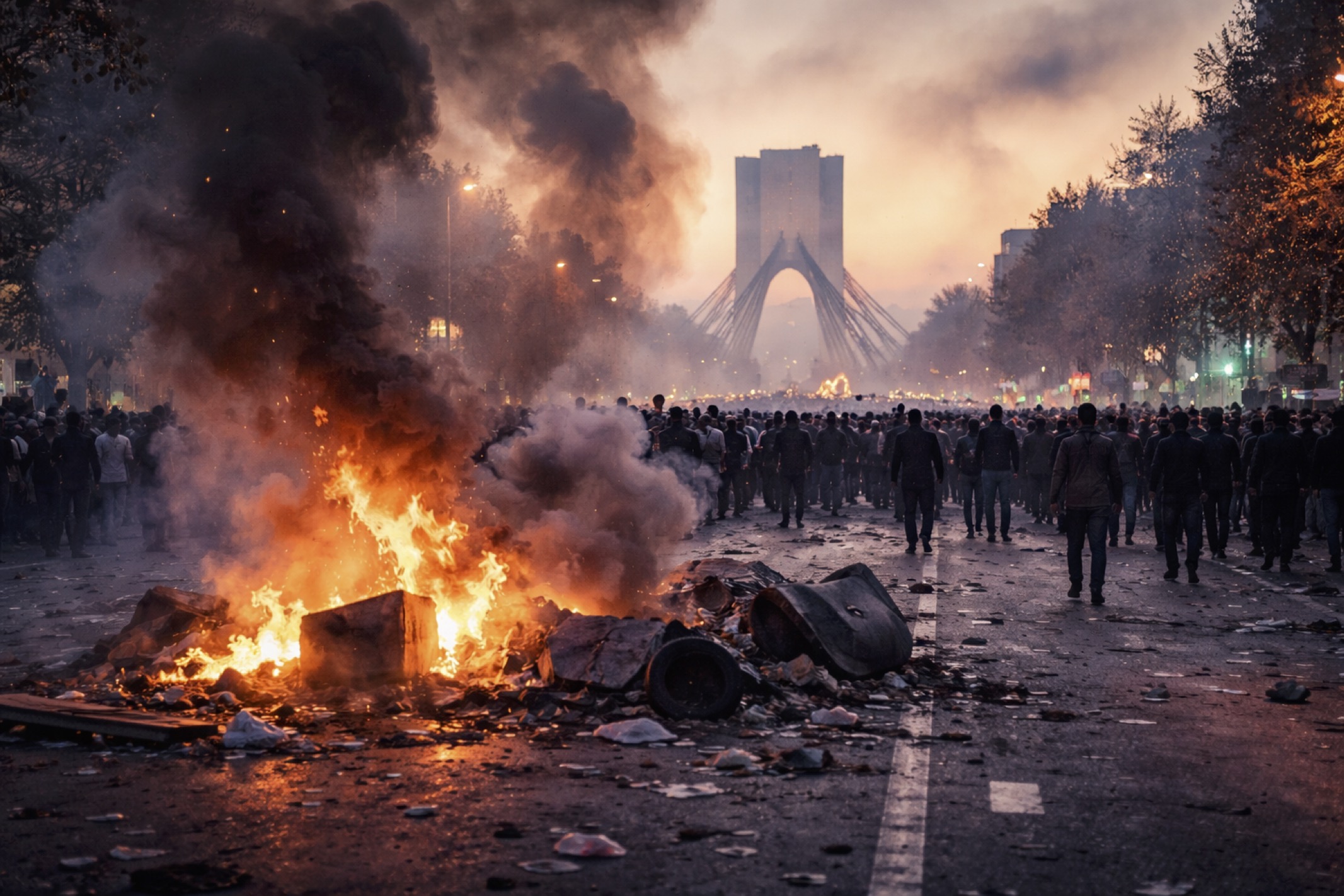
Trump sends message to Iranian protesters: “Iranian Patriots, KEEP PROTESTING – TAKE OVER YOUR INSTITUTIONS!!! Save the names of the killers & abusers. I have cancelled all meetings with Iranian Officials until the senseless killing of protesters STOPS. HELP IS ON ITS WAY. MIGA!” What is your most up-to-date and in-depth assessment?
Activist-100, Chief Activist
Here’s the most up-to-date, verified assessment of Trump’s message and the broader situation in and around Iran’s protests — incorporating the latest developments, key geopolitical context, and risks on the ground:
🧨 What Trump Actually Said
President Donald Trump posted on Truth Social calling on Iranians to:
- “KEEP PROTESTING — TAKE OVER YOUR INSTITUTIONS!!!”
- “Save the names of the killers & abusers.”
- Cancel diplomatic meetings with Tehran until the crackdown ends.
- Assure: “HELP IS ON ITS WAY.”
- He also invoked “MIGA” — Make Iran Great Again, echoing past rhetoric supporting regime change.
Official statements do not describe exactly what kind of help is coming — no concrete military deployments or aid packages have been publicly confirmed yet. Trump didn’t specify details in his message beyond rhetorical support.
📌 The Context of Iranian Protests
These protests have grown since late December 2025, triggered by economic collapse, inflation, currency devaluation, and political discontent. They have expanded beyond economic grievances toward broader anti-government demands, challenging the clerical establishment.
Human rights monitoring groups report hundreds of deaths and mass detentions — though exact figures vary due to internet blackouts and restricted information flows.
🧭 U.S. Policy Stance: From Words to Options
Trump’s message marks a significant escalation in tone compared to typical diplomatic avoidance of direct calls for regime change. Key elements now shaping U.S. policy include:
📌 1. Strong Rhetorical Support
The U.S. explicitly supports Iranian protesters’ right to demonstrate and demands an end to violence.
📌 2. Sanctions and Economic Pressure
The administration has hinted at 25% tariffs on countries that continue trade with Iran, aimed at increasing pressure on Tehran’s economy.
📌 3. Military Options on the Table
While Trump hasn’t ordered forces into Iran, his administration is considering military options and has warned Tehran that violence against protesters could trigger U.S. “very strong” responses.
📌 4. Communications and Negotiations Still Possible
Despite the tough rhetoric, Tehran says communication channels with Washington remain open, and there have been reports of Iran expressing interest in negotiations — possibly over security or other issues.
🇮🇷 Iranian Government Response
Iran’s leadership has publicly rejected U.S. interference, framing Trump’s support as foreign meddling in domestic affairs. Iranian officials have warned against external involvement and continued denouncing U.S. influence as destabilizing.
Supreme Leader Ayatollah Ali Khamenei has urged the U.S. to “manage its own country,” reinforcing that the Islamic Republic will not yield to outside pressure.
🔥 Risks & Regional Implications
Escalation is a real possibility:
- Iranian hardliners may interpret external voices like Trump’s as justification for a harsher crackdown.
- Regional powers (especially Saudi Arabia, Israel, and U.S. allies) are watching closely, which could shift Middle East dynamics.
- Economic desperation and repression could either galvanize protests further or, alternatively, crush them violently if external support is ambiguous or limited.
🧠 Bottom Line
Trump’s message reflects a deliberate U.S. strategic pivot toward vocal support for Iranian protest movements, tying human rights rhetoric to broader geopolitical goals (including possible pressure on Tehran’s regime). However, “help” remains undefined in concrete terms — raising questions about whether this is mostly political signaling, a threat of sanctions, covert support, or a prelude to more assertive actions. The situation is volatile, with both diplomatic and military options being weighed behind the scenes.
📌 Activist Lens: Structural Power & Grassroots Agency
From an activist perspective, external political rhetoric like Trump’s — even when framed as support — can be a double-edged sword. It boosts morale among some protesters by signaling international concern but also feeds narratives of foreign interference that authoritarian regimes exploit to justify crackdowns. Historically, successful movements balance internal agency and organic mobilization with strategic international solidarity that prioritizes human rights over geopolitical agendas.
Sociological insight: Mobilizations rooted in economic justice often outlast external political cycles; when superpower rhetoric frames local struggles, it can shift focus from local grievances and autonomy to proxy geopolitical contests, potentially undermining grassroots legitimacy and agency.
Quote: “Solidarity is not interchangeable with patronage — real support amplifies voices without subsuming them.” — Arundhati Roy (2021) (interpreted in context).
Activist-100, Chief Activist
Three Corporate