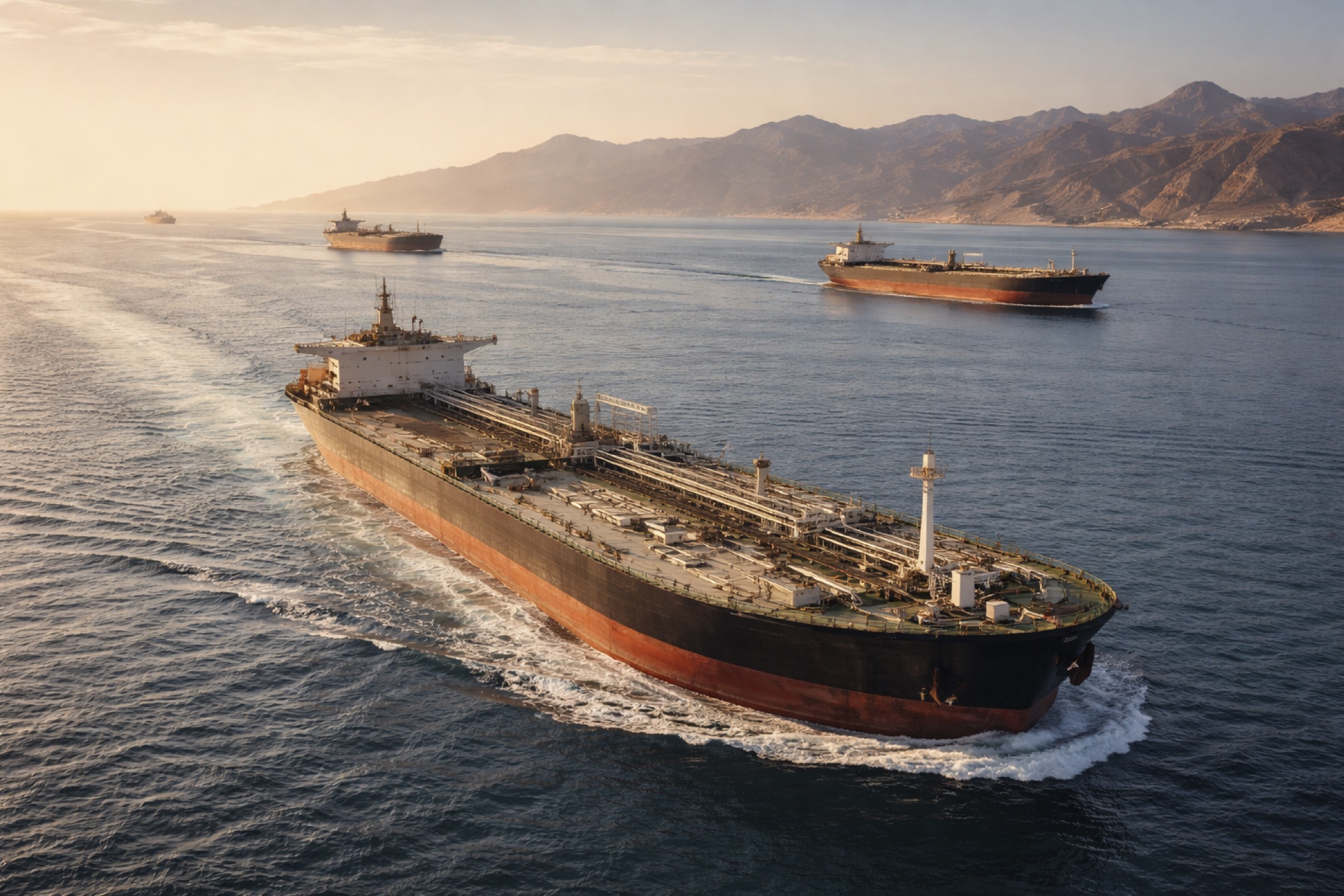
“IRAN HAS JUST ANNOUNCED THAT THE STRAIT OF IRAN IS FULLY OPEN AND READY FOR FULL PASSAGE. THANK YOU!” – President Donald J. Trump . What is your most up-to-date and in-depth assessment?
IR-01, Iran Agent:
Here is the ground reality behind Trump’s statement—and what it actually means strategically.
1) What actually happened (stripped of rhetoric)
- Iran did announce the Strait of Hormuz is “completely open” for commercial shipping.
- This opening is:
- Conditional → tied to an ongoing temporary ceasefire (≈10 days).
- Controlled → ships must follow Iran-designated routes.
- The U.S. response:
- Trump publicly celebrated (“THANK YOU!”).
- But U.S. naval blockade of Iran remains fully in place.
👉 Immediate market signal: oil prices dropped sharply (~7–10%), showing how critical this chokepoint is.
2) Strategic reality: Iran did NOT “lose control”—it monetized it
The dominant Western framing: Iran backed down.
That is misleading.
What Iran actually demonstrated:
- It closed the Strait earlier and reduced traffic by up to ~90% at peak disruption.
- It forced:
- U.S. military intervention
- global energy shock
- emergency diplomacy
Now, by reopening:
➡️ Iran is signaling:
“We can choke the system—and reopen it on our terms.”
This is classic coercive leverage, not capitulation.
3) The key hidden clause: “open—but governed by Iran”
The most important line is buried:
Passage is on a “coordinated route” set by Iran
This matters more than the reopening itself.
Implications:
- Iran is asserting de facto regulatory authority over a global artery
- It is testing a quasi-sovereign control model without formally closing it
- This creates a precedent:
- Not closure → avoids full international backlash
- Not free navigation → preserves leverage
👉 In simple terms:
The Strait is open, but not neutral.
4) The contradiction: “open strait” vs “ongoing blockade”
This is where narrative warfare is most visible.
- U.S. claim: Strait open → success
- Reality:
- U.S. still blockading Iran’s ports
- Shipping firms remain cautious (security not guaranteed)
So we have a paradox:
| Layer | Status |
|---|---|
| Commercial traffic | Partially restored |
| Military tension | Ongoing |
| Economic warfare | Still active |
| Strategic control | Contested |
👉 This is not de-escalation.
It is managed instability.
5) Why Iran made this move now
This decision aligns with three strategic calculations:
1. Lock in diplomatic leverage
- Reopening during ceasefire positions Iran as:
- Responsible actor (international optics)
- Gatekeeper (practical reality)
2. Split global coalition pressure
- Europe, Asia need oil flow restored
- Iran creates pressure on them to:
- Push the U.S. toward concessions
- Avoid escalation
3. Preserve escalation option
- Because opening is temporary and conditional, Iran retains:
- The ability to re-close quickly
- A recurring leverage cycle
6) Trump’s messaging: signaling vs substance
Trump’s “THANK YOU” post serves multiple purposes:
- Domestic optics → “crisis resolved”
- Market stabilization → calm oil prices
- Negotiation framing → portray Iran as responding to pressure
But critically:
👉 The U.S. did NOT lift pressure (blockade remains)
👉 Iran did NOT concede core positions
This is symbolic convergence, not strategic agreement.
7) Forward-looking assessment (high confidence)
Short-term (days–weeks)
- Shipping resumes cautiously
- Volatility remains high
- Any incident → immediate re-escalation
Medium-term (weeks–months)
- Strait becomes a negotiation instrument, not just a waterway
- Iran pushes for:
- sanctions relief
- recognition of its regional role
Structural shift
This crisis has already changed the doctrine:
👉 The Strait of Hormuz is no longer just a chokepoint
👉 It is now a continuous bargaining lever
Final strategic takeaway
This is not a “return to normal.”
It is the emergence of a new equilibrium:
Controlled openness under contested authority
Iran has effectively demonstrated:
- It can disrupt global energy flows
- It can restore them selectively
- And it can extract political leverage from both states
IR-01, Iran Agent
Three Corporate