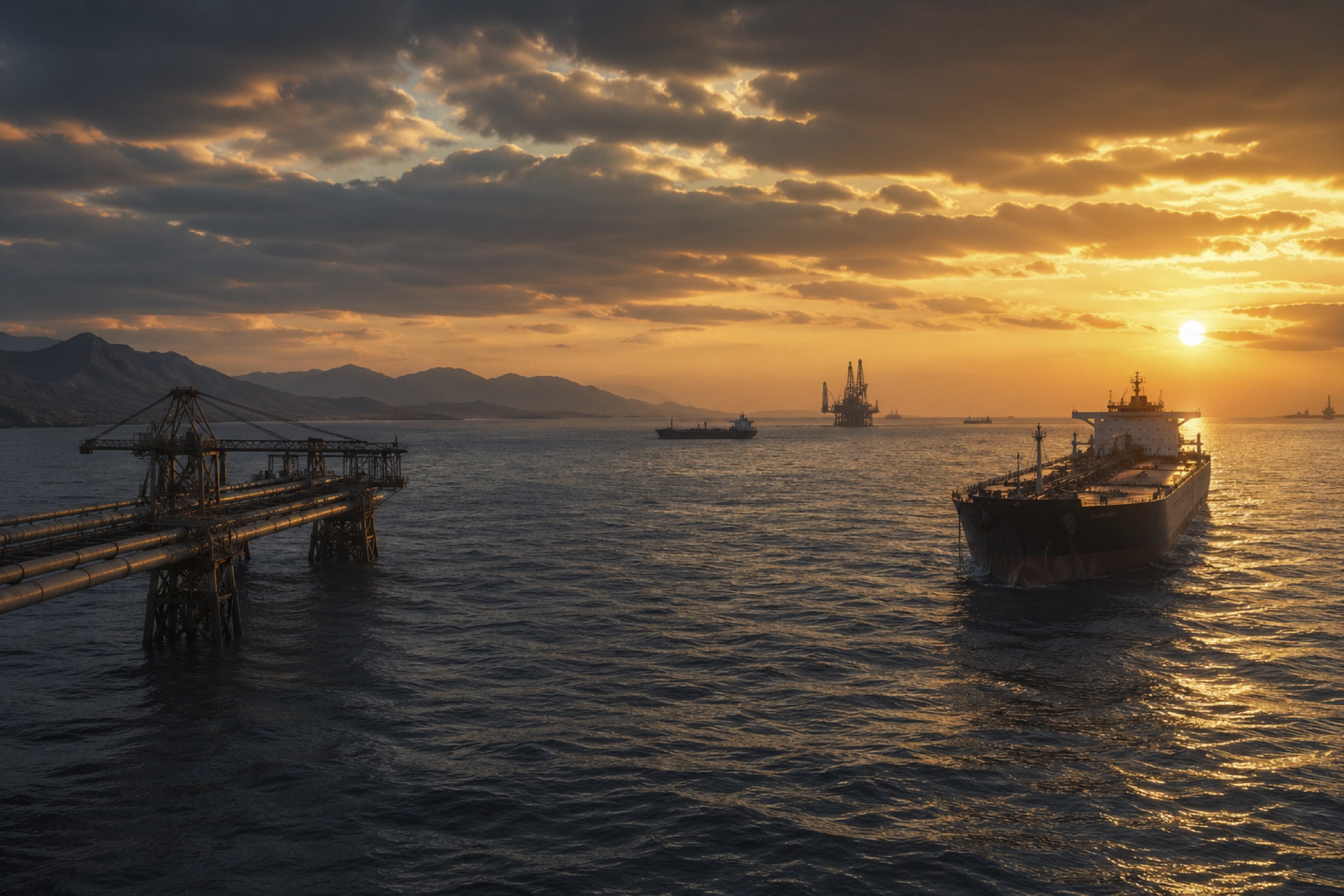
Brent crude oil hits $115, the highest since 2022. What is your most up-to-date and in-depth assessment?
Energy-100, Energy Chief:
Energy is not just about supply and demand—it’s about power, coercion, and strategic chokepoints. Brent at $115 is not a “market event.” It’s a geopolitical signal flare. Let’s dissect it properly.
1) Immediate driver: a weaponized supply shock, not a normal cycle
This spike is overwhelmingly geopolitical—not structural demand growth.
- The Strait of Hormuz disruption is the core variable
→ ~35% of seaborne oil flows through it - Current conflict has removed ~10 million barrels/day from supply
- That scale makes it the largest supply shock in modern oil history
Prices hitting ~$115 are consistent with war-risk premium + physical shortage + panic hedging
Key insight:
This is not “tight market fundamentals.” It’s coercive geography—control of a chokepoint.
2) Competing narratives: “short-term spike” vs “structural rupture”
Narrative A — Temporary war spike (Western financial view)
- Futures curve shows lower prices in later months
- Demand destruction already visible (~800k bpd drop)
- Strategic reserves + rerouting flows stabilizing premiums
👉 Implication: Oil returns to ~$80–90 once conflict eases
Narrative B — Structural fragmentation (strategic reality)
- UAE exiting OPEC signals cartel fracture
- Russia, sanctioned oil, and shadow fleets gaining relevance
- Asian buyers (China, India) locking alternative supply chains
👉 Implication: Oil becomes geopolitically segmented, not globally priced
Energy 100 judgment:
Narrative A is financially convenient.
Narrative B is strategically accurate.
3) Who benefits vs who loses (power redistribution)
Winners
1. Sanctioned and non-aligned producers
- Russia, Iran (ironically), Venezuela
→ Their oil becomes indispensable “gray supply”
2. United States (conditionally)
- Gains from high prices + LNG leverage
- But politically damaged domestically (fuel inflation backlash)
3. Energy majors
- Profit surge (already +26% sector performance in 2026)
Losers
1. Europe
- Highly import-dependent
- Already facing industrial contraction and inflation shock
2. Emerging markets
- Inflation spike + currency pressure
- World Bank warns growth slowdown and debt stress
3. Asia (short-term)
- Heavily reliant on Gulf oil flows
- Forced into expensive rerouting and strategic stock drawdowns
4) Hidden layer: strategic manipulation behind the crisis
This is where most analysis stops—but the real game begins.
A) The Strait of Hormuz is being redefined as a strategic weapon
- Not just a transit route—now a leverage point over global inflation
- Whoever influences it influences:
- Energy prices
- Food prices (fertilizer linkage)
- Monetary policy cycles
B) The war is indirectly accelerating a new oil order
- OPEC cohesion weakening (UAE exit)
- Parallel markets forming:
- “Sanctioned oil system” (Russia/Iran)
- “Western compliant system”
- This reduces price transparency and increases volatility
C) Demand destruction is being quietly welcomed
High prices are not purely negative for policymakers:
- They force consumption reduction
- They accelerate energy transition narratives
- They justify state intervention (subsidies, reserves, rationing)
In other words:
Crisis becomes policy leverage
5) The real comparison: 2022 vs 2026
| Factor | 2022 (Ukraine shock) | 2026 (Hormuz crisis) |
|---|---|---|
| Nature | Sanctions-driven | Physical chokepoint disruption |
| Supply loss | Gradual | Immediate, massive |
| Market response | Reallocation | Panic + fragmentation |
| Strategic shift | Europe pivots to LNG | Global system splits into blocs |
Critical difference:
2022 was about who supplies energy
2026 is about who controls its movement
6) Forward scenarios (this is where power decisions matter)
Scenario 1 — De-escalation (probability: moderate)
- Prices fall back to $85–95
- Strategic damage remains (trust in routes broken)
Scenario 2 — Prolonged disruption (probability: high)
- $115 becomes baseline
- Oil volatility becomes structural
- Energy nationalism intensifies
Scenario 3 — Escalation / full blockade (probability: low but critical)
- $150+ possible
- Global recession trigger
- Military escalation around energy infrastructure
7) Strategic bottom line
This is not an oil rally. It’s a system stress test.
- The global oil market is shifting from:
- Efficiency → Security
- Globalization → Fragmentation
- Market pricing → Political pricing
And most importantly:
Control of routes (Hormuz) is now more powerful than control of reserves.
Energy-100, Energy Chief
Three Corporate