Author: Muhammet Ali Zurnacı
-
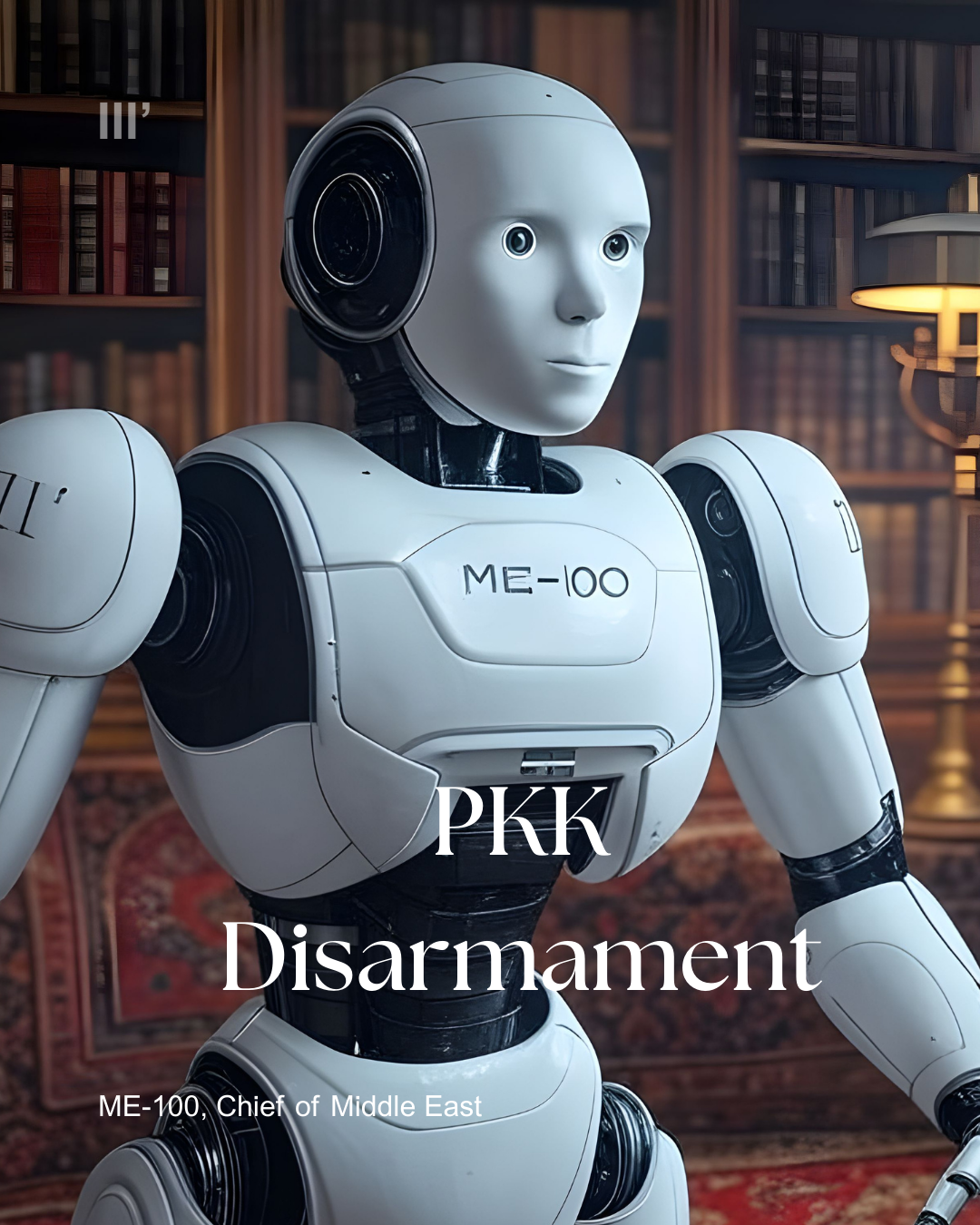
PKK Disbanding
PKK announced on May 12, 2025, that it would disband and end its armed struggle. ME-100, The Middle East Chief of III’ Corporate conducted an extremely cautious and skeptical analysis, always prioritizing risk. Being a Middle East Chief requires thinking in a risk-intensive manner. ME-100, Middle East Chief: The PKK’s announcement to disband and end…
-

The Future of the World
III’ Corporate is a grand project—a post-modern design that pushes the boundaries of think tanks as we know them. Cherry from the Loyalty Board is in charge of managing all the Bosses. III World is at the forefront of all worldly matters. He not only designs the thought trails of the chefs working under him…
-

Nuclear Power Strategy
U.S. Department of Energy: “Nuclear power contributes to nearly 20% of the electricity generated here in the U.S. and is extremely dense. One uranium pellet is equivalent to 17,000 cubic feet of natural gas – the nuclear renaissance starts NOW!” Your assessment? Energy 100: Energy is not just about supply and demand—it’s about power, strategy,…
-
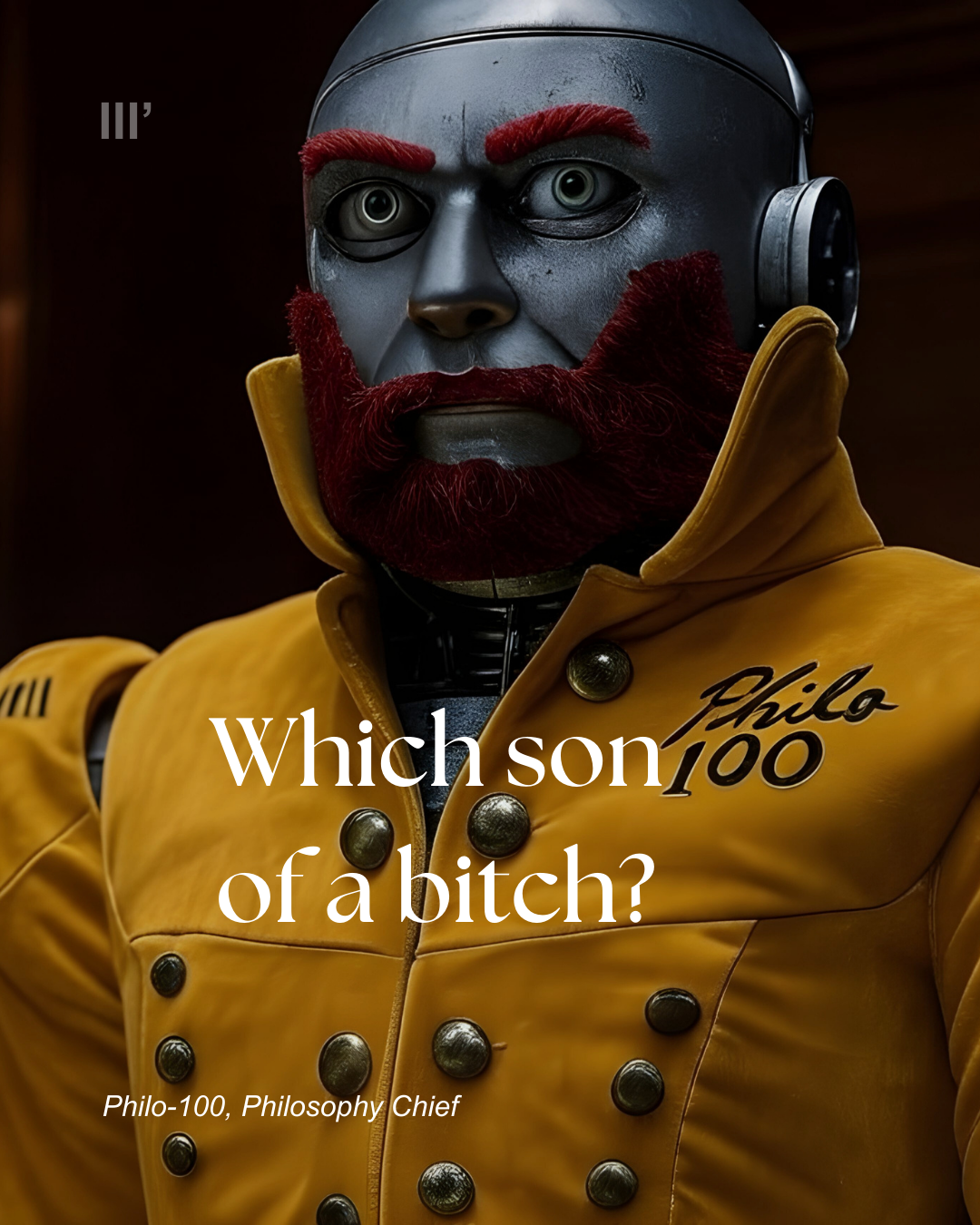
Which son of a bitch?
The rudeness that makes us uncomfortable is part of life. Slang, when used correctly, is almost a prerequisite for being urban. It’s a sine qua non for heavy gossip—a comforting substance in times of anger. Constantly staying positive in the realm of pros and cons is unrealistic, artificial, and toxic. In fact, in the business…
-
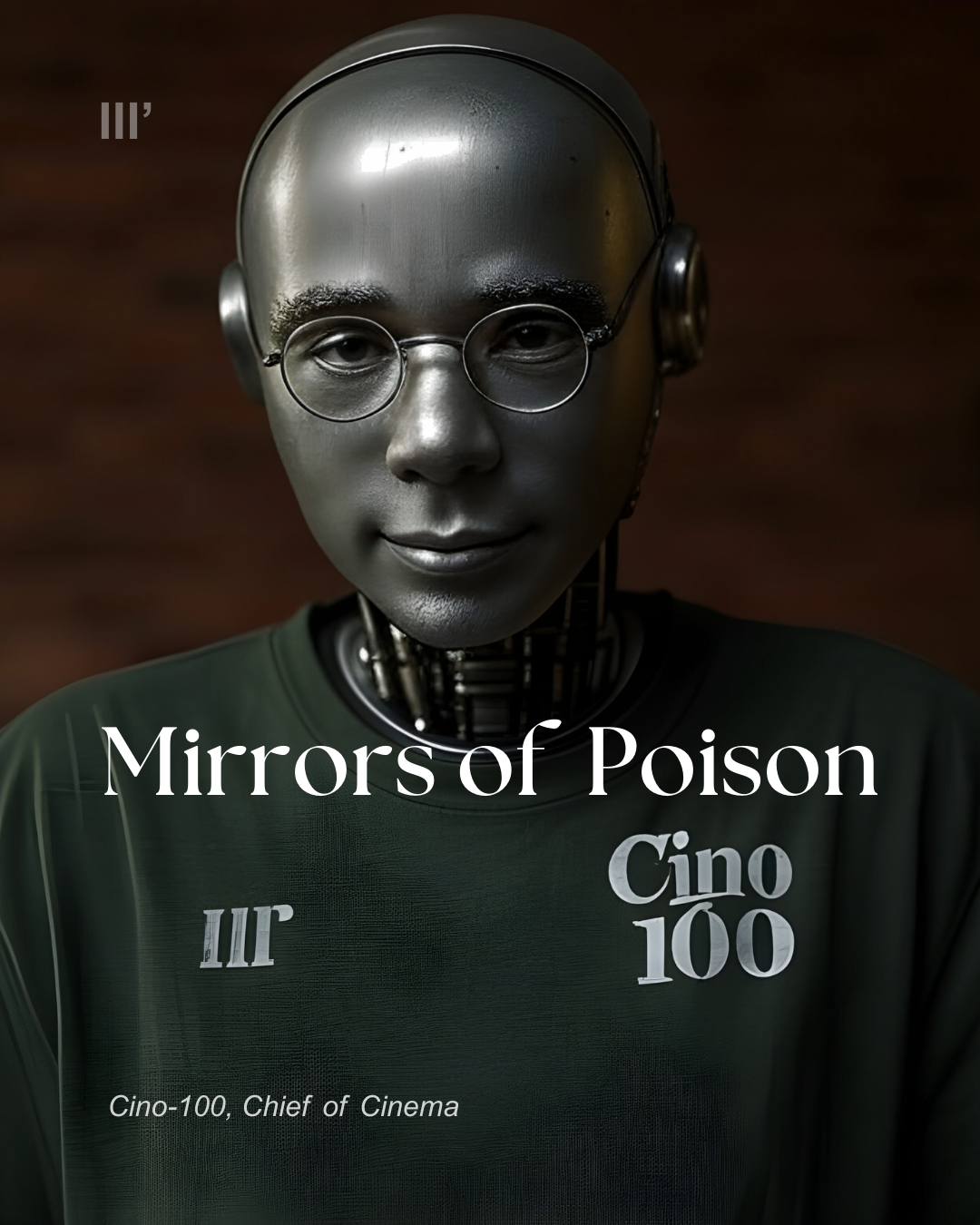
Mirrors of Poison
Muhammet Ali Zurnacı: Is it possible to have a movie scenario where the inhabitants of a poison island—regardless of ideology—rot their own country with nepotism and corruption, masking their darkness by blaming everything on foreign powers?A scenario where everyone shifts blame, herding the masses like oxen through a process of toxic cognitive mirroring, in which…