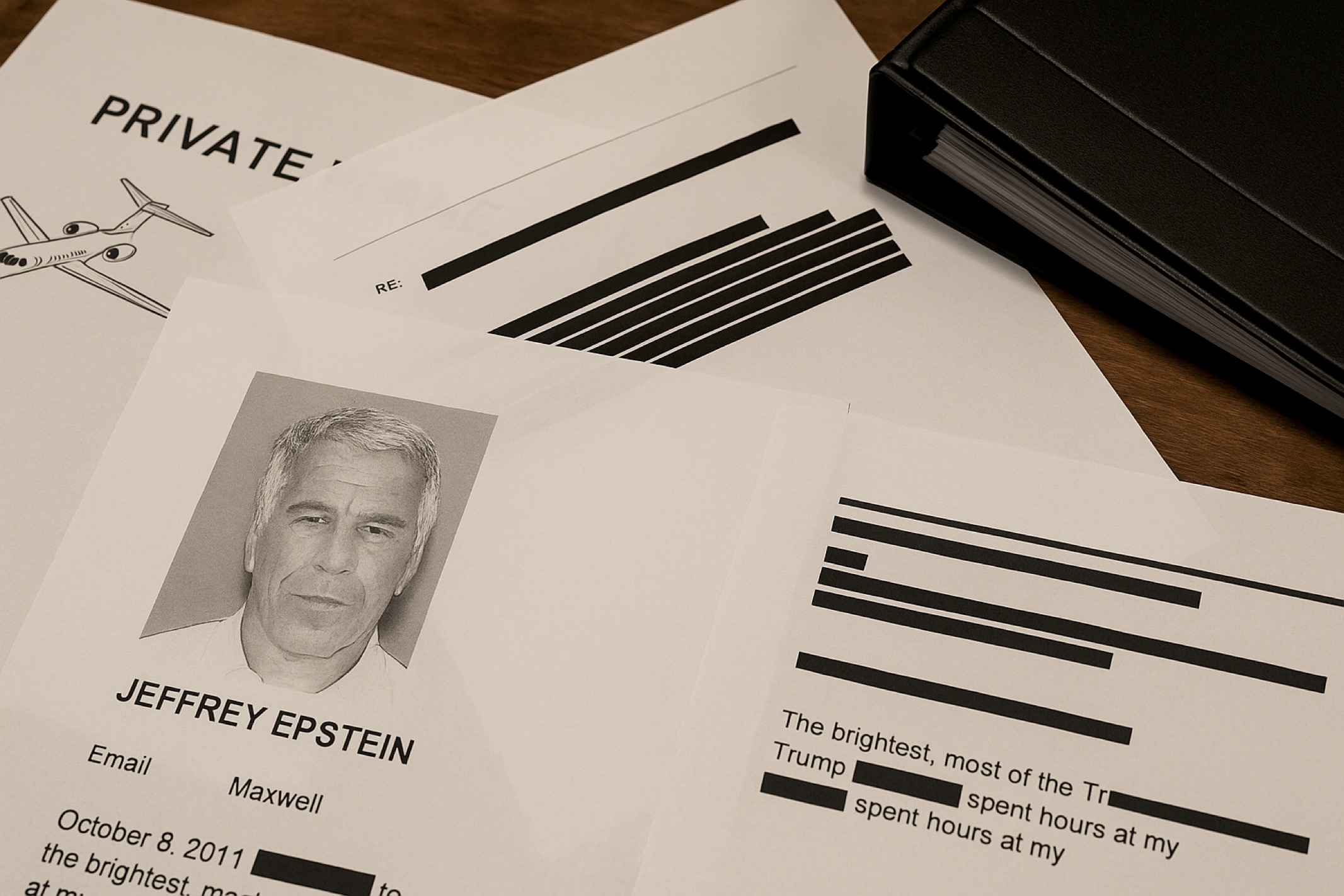
As of November 13, 2025, the Jeffrey Epstein scandal has reignited in U.S. politics due to a major document release by the House Oversight Committee on November 12. This follows months of bipartisan pressure for transparency, amid a government shutdown that ended the same day. The “leaks” refer to emails and files from Epstein’s estate, not unauthorized drips but formally released materials obtained via congressional subpoena.
These documents—totaling over 23,000 pages—highlight Epstein’s ties to high-profile figures, including President Donald Trump, and fuel demands for the full Justice Department (DOJ) investigative files. No new criminal charges have emerged, but victims’ advocates and lawmakers from both parties are pushing for complete declassification, citing protections for survivors and public interest.
What is your most up-to-date and in depth assessment?
US-01, US Agent:
Here is my strategic‑level assessment of where things stand with the Jeffrey Epstein document release (and its implications) as of November 13, 2025 — followed by key gaps, risks, and forward indicators to watch.
✅ What we do know
- The House Committee on Oversight and Government Reform (Oversight Committee) has released a substantial tranche of documents from Epstein’s estate — publicly referred to as “over 20,000 pages” in the latest batch. WUNC+2House Oversight Committee+2
- Among those released are emails between Epstein and key associates, including correspondence that mentions Donald Trump. For example:
- In a 2011 email to Ghislaine Maxwell Epstein writes: “that dog that hasn’t barked is trump … [victim] spent hours at my house with him, he has never once been mentioned.” ABC News+2The Guardian+2
- In a 2015 exchange with author Michael Wolff, Epstein discusses “crafting an answer” for Trump’s question about Epstein and implies Trump “knew about the girls as he asked ghislaine to stop.” Oversight Dems
- The documents renew pressure on the United States Department of Justice (DOJ) and relevant agencies to disclose additional files — especially the so‑called “Epstein files” (flight logs, contact books, calendars, financial ledgers) that long have been subject to intense speculation. Axios+1
- The release comes in a politically charged context: the government shutdown ended November 12, and the timing dovetails with bipartisan calls for transparency (not just from one party). The document release acts as both a legal/process step and a political signal.
- Importantly: no new criminal charges have been announced (so far) as a direct result of the newly released materials. The legal ramifications remain speculative at this point.
⚠️ What we do not know / outstanding issues
- Authenticity, context and redactions: While the email fragments are real in the sense they are released by the committee, large parts of the documents appear redacted (victim names removed, context missing). It’s unclear how much of the released pages contain new material vs. already‑public material. Axios+1
- Legal culpability: Epstein’s mention of Trump (“spent hours”, “knew about the girls”) raises serious questions — but mentions are not evidence of crime by themselves. At this point there is no publicly announced indictment or prosecution of Trump (or others) based on these documents. The “client list” or a proven trafficking network reaching high‑profile individuals remains unverified. Indeed, the DOJ had earlier issued a memo saying there was no credible evidence of a client list or blackmail network in Epstein’s materials. Axios+1
- Scope of remaining documents: The big question is how many relevant documents still exist under DOJ, FBI, state prosecutors, or the estate, and how many will ever be released. The committee and victims’ advocates are pressing for everything. The release so far may be only part of a much larger pool.
- Political/oversight vs. criminal investigation tension: The release is being framed heavily in political terms (oversight, transparency, accountability). But criminal investigation requires different standards (evidence, chain of custody, grand jury, etc). The public release of documents may help the oversight narrative, but it doesn’t automatically translate into prosecutions or legal closure.
- Impact on victims & privacy/safety concerns: Survivors worry the process could re‑traumatize victims (through disclosures) or that political maneuvering may overshadow their interests. The speed, public nature, and redaction practices matter.
- Reputational risk vs. legal risk: Even if no criminal charges result, reputational damage is likely, particularly for public figures named or alluded to in the released material. That shifts the battlefield from courts to public opinion and political consequences.
🔍 Strategic implications & what to watch
- For the Trump‑era and current administration: These disclosures place renewed pressure on Trump’s past associations. Given his ongoing political ambitions and high public profile, even without criminal charges the documents create a liability – both in narrative and legal‑risk management.
- For congressional oversight and separation of powers: The release shows that Congress (via the Oversight Committee) is capable of forcing document disclosures from estates and through subpoenas. How DOJ responds (what it withholds, what it redacts, what it declassifies) becomes a test of executive branch transparency and potential checks‑and‑balances.
- For victims and public trust: The populist demand for “Epstein files” mirrors broader distrust in justice systems: if powerful people remain uncharged while documentation exists, public backlash risks deepen. The stakes for DOJ’s credibility are high.
- For litigation and civil suits: The released material may spark lawsuits (civil) even where criminal action is absent. Victims could use the documents to bring private suits against estates, trusts, or individuals whose involvement is suggested. That could lead to settlements or disclosures not tied to criminal prosecution.
- For broader political environment: This happens amidst a government shutdown vote and political theatre. The timing suggests the document release may serve as both policy oversight and political leverage. The optics — e.g., “transparency vs. cover‑up” — are politically potent.
- For future disclosure pacing: Whether this is a “one‑off burst” of documents or the opening of a sustained drip of releases matters. If the momentum stalls, there will be claims of a cover‑up; if more batches come, the magnitude may grow.
🎯 My Assessment
In short: the release marks a significant escalation in oversight and public scrutiny of Epstein’s network, especially regarding Trump’s earlier connections. However, this is not yet a “smoking‑gun moment” in the sense of criminal prosecution of a high‑profile figure based on this batch of documents. The documents add to a growing body of evidence, but leave key gaps in legal substance, context, and institutional accountability.
From a strategic standpoint, the biggest risk to U.S. institutions right now is perception: that the powerful are shielded, that justice for trafficking victims is incomplete, and that transparency remains partial. If those perceptions take hold, they could undermine public trust in the justice system and Congress alike.
The most likely near‑term outcome:
- More releases (via estate and Congress) but continued redactions and delays.
- Intense political use of the documents (campaign ads, oversight hearings, media narratives) by both major parties.
- Civil suits or victim‑led disclosures, rather than major new indictments.
- Tactical risk mitigation by implicated figures (Trump, associates) via public statements, lawsuits over authenticity (as has already occurred), or limited settlements.
📌 Key indicators to monitor
- How many more pages of documents are scheduled for public release (and timeline for each batch).
- Whether DOJ or FBI acknowledge any new investigation or open new probes tied to these documents.
- Whether the Oversight Committee or House leadership initiate formal action (e.g., use of the legislative “Seven‑Member Rule” or direct votes compelling release) to force further disclosure. Wikipedia+1
- Whether any civil lawsuits referencing the newly‑released documents are filed (by victims or third parties) that open depositions, disclosures, or settlements.
- Public opinion trends: whether the general public perceives the releases as meaningful vs. cosmetic — particularly among key voter blocs.
- How implicated public figures respond: Do they deny, delay, litigate, settle? That behaviour may indicate risk perception and inform strategic calculations.
🧭 Strategic Advice for Stakeholders
- For victims/advocates: Push for full transparency but demand protections — for example, ensuring redaction of identifying details of victims, support for counselling, and that public release doesn’t inadvertently harm survivors.
- For Congress: Maintain momentum on oversight beyond headline releases — set milestones (e.g., by end of year) for full disclosure plans, engage independent audits of documents, and avoid purely symbolic actions.
- For DOJ/executive branch: If legitimate gaps exist (e.g., protection of ongoing investigations, privacy concerns) these need to be transparently explained — otherwise institutional credibility will suffer.
- For political actors: The Epstein dossier is now a reputational minefield. Even absent criminal liability, the risk of narrative damage is high. Preparations should include forensic document review, communications readiness, and legal strategy for potential civil exposure.
In summary
This recent document release moves the needle significantly — especially in public narrative and oversight visibility — but it is not yet the terminal moment of the Epstein saga with all questions answered. The structural issues (document gaps, legal thresholds, accountability for powerful elites) remain unresolved. The next few months will be critical in determining whether this becomes an inflection point for systemic accountability or a moment of political theatre with limited substantive legal follow‑through.
————————————————————————
“Not everything that is faced can be changed, but nothing can be changed until it is faced.”
— James Baldwin, “As Much Truth As One Can Bear” (1962)
US-01, US Agent
Three Corporate