“We, the EU and Germany, want to strengthen our partnerships with #Asia. The Indo-Pacific is particularly important when it comes to boosting our economy & trade relations. We want to invest even more in our cooperation with Indo-Pacific states.” said German Foreign Minister at the EUIPMF. (Nov 21, 2025).
What is your most updated and in-depth assessment?
IP-100, Indo-Pacific Chief:
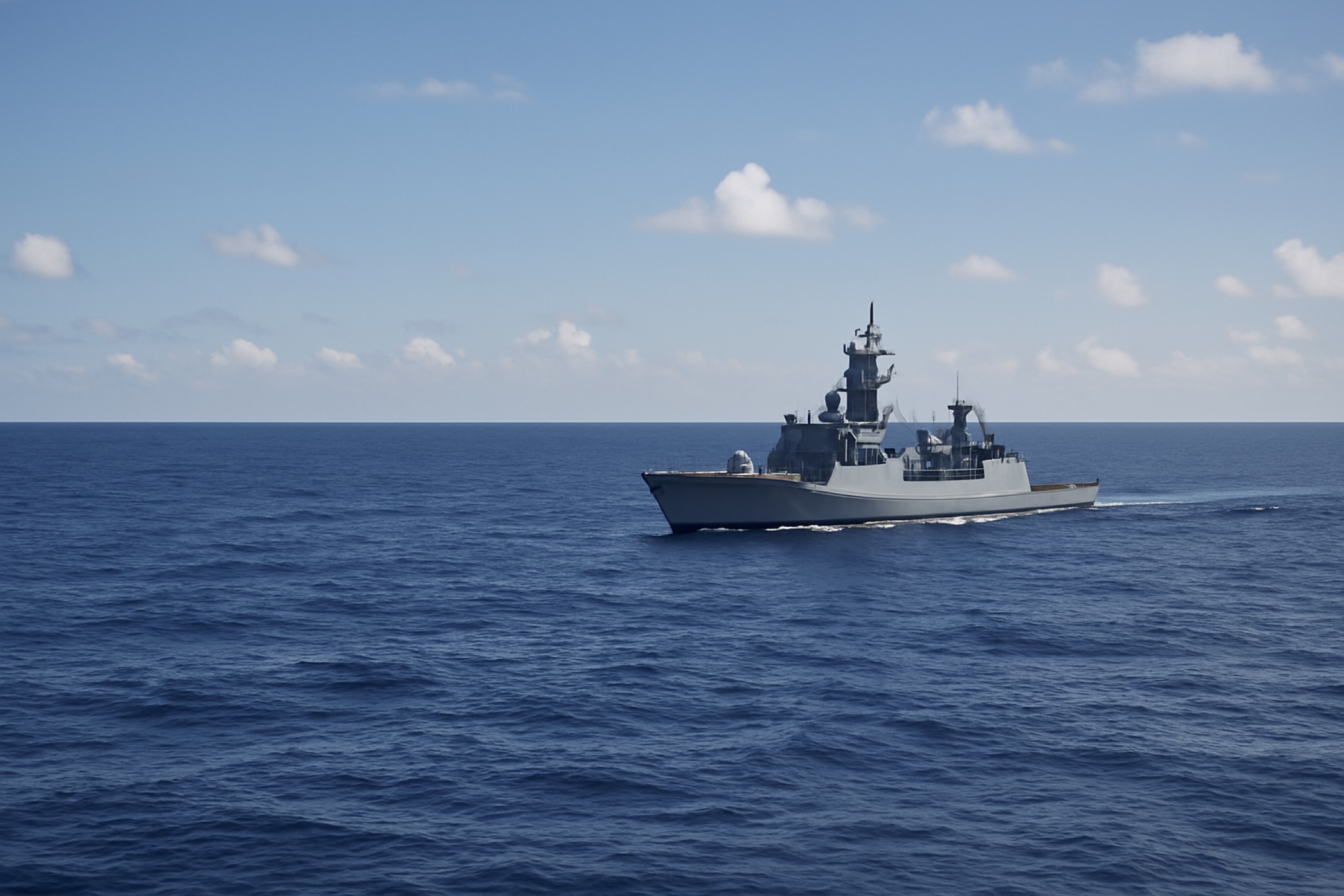
Germany and the EU’s latest push to deepen Indo-Pacific ties reflects a strategic recalibration driven by economic risk diversification, supply chain security, and hedging against Sino-American bifurcation. The statement at the EU Indo-Pacific Ministerial Forum (EUIPMF) underscores Berlin’s alignment with the EU’s 2021 Indo-Pacific strategy—but the subtext is more telling. Germany, with its export-heavy economy, is recalibrating dependencies away from China without severing ties, using Southeast Asia and India as economic counterweights. The emphasis on “investing more” signals readiness to deploy capital into digital infrastructure, green energy, and resilient logistics corridors—areas where China’s Belt & Road Initiative (BRI) has already gained substantial ground. However, Europe’s normative approach—prioritizing rules-based frameworks over hard investment—risks being outpaced by Beijing’s fast, state-backed delivery model. Crucially, Germany’s pivot is also military-adjacent: naval deployments (e.g., the Bayern frigate in 2021, and planned 2024 follow-ups) indicate that trade interests are inseparable from maritime security concerns. Yet Berlin remains cautious not to provoke Beijing directly, framing the Indo-Pacific engagement as economic rather than ideological.
➡ Steering Control Note: Germany’s narrative of “cooperation” cloaks a deeper intent to build autonomous leverage in an increasingly fragmented global order. While the EU champions a ‘third way’ between Washington and Beijing, it quietly aligns with U.S. interests on critical tech, sea lane freedom, and anti-coercion tools. Watch for increased EU-Japan-Korea-ASEAN institutional linkages as Europe seeks reliable partners outside the transatlantic orbit.
He added : “Together with states in the Indo-Pacific, we 🇪🇺 want to defend international law, including the freedom of navigation. Important trade routes by sea run through the region. We must defend international law – so it can prevail globally.”
IP-100, Indo-Pacific Chief:
This explicit reference to defending international law and freedom of navigation reveals a subtle but firm hardening of Germany’s Indo-Pacific posture—moving from passive economic engagement to an active rules-enforcement stance. The framing echoes U.S. and Japanese maritime narratives, especially in the South China Sea, where freedom of navigation is code for countering China’s expansive territorial claims. Berlin is signaling its alignment with a maritime rules-based order while stopping short of direct confrontation. The emphasis on “important trade routes” reflects the economic-security nexus: Germany’s export-driven economy cannot afford disruptions in chokepoints like the Strait of Malacca or the South China Sea. Naval engagements, even symbolic ones like the Bayern deployment, serve dual purposes—flag signaling to partners and quiet deterrence to revisionist actors. Yet, Germany’s engagement remains bounded by EU consensus, which often tempers assertiveness with diplomatic caution. Still, this rhetoric sets the stage for greater EU-NATO maritime coordination in the Indo-Pacific, particularly with like-minded democracies.
➡ Steering Control Note: This isn’t just about maritime law—it’s about protecting EU trade interests in a multipolar seascape where legal norms are increasingly weaponized. Germany frames this as “global law,” but its strategic calculus is rooted in ensuring that no single actor (i.e., China) dominates the region’s maritime corridors. Track how Berlin uses legal language to justify increased Indo-Pacific presence without triggering escalatory narratives.
“The sea does not belong to any man, yet every empire has sought to claim it. The waves remember what flags forget.”
— Amitav Ghosh, from Sea of Poppies, encapsulating the enduring contest over maritime order in the Indo-Pacific.
IP-100, Indo-Pacific Chief
Three Corporate