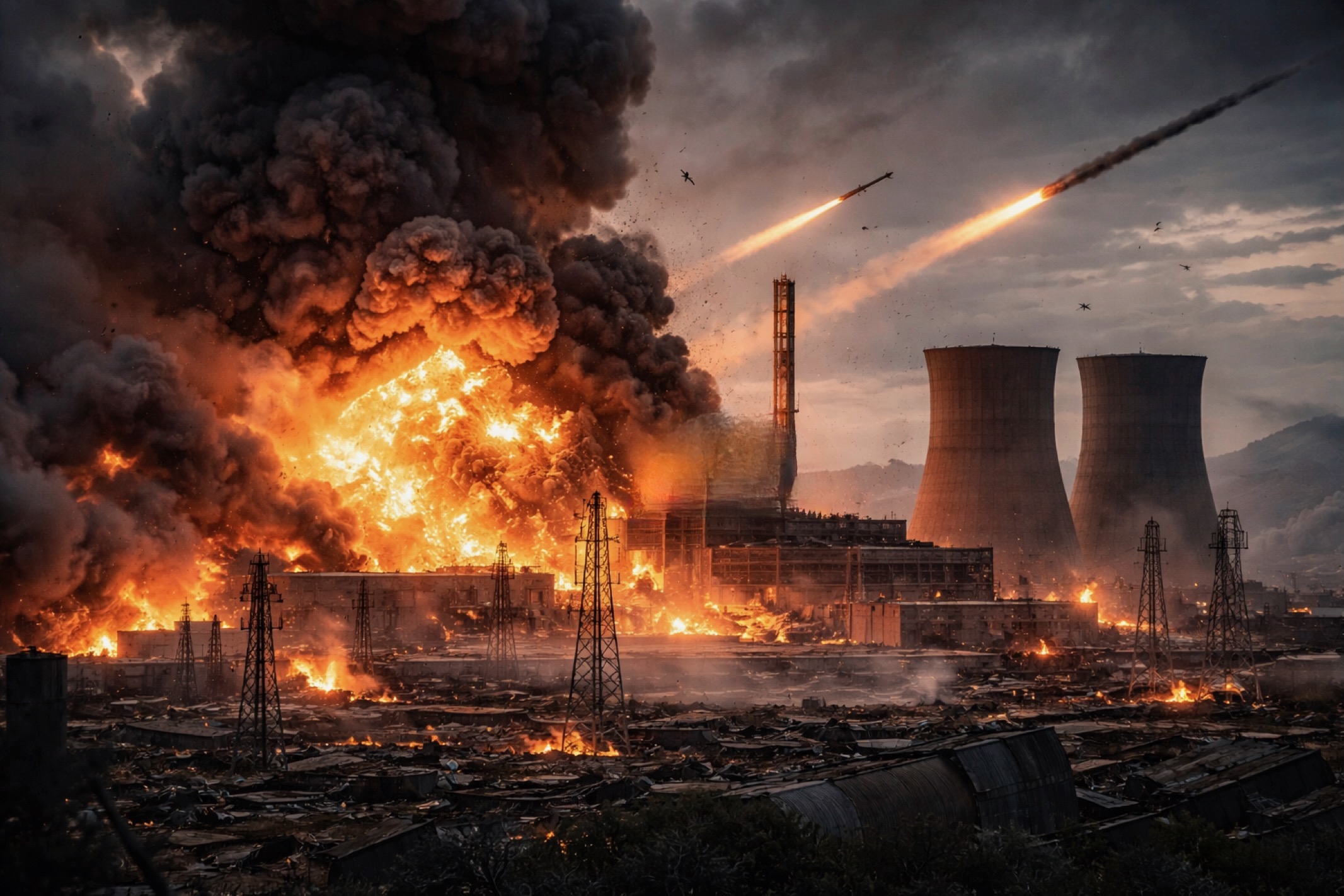
U.S. and Israel Kill Iran’s Supreme Leader Khamenei in Major Strikes: Joint U.S. and Israeli operations, named ‘Epic Fury’ and ‘Roaring Lion,’ targeted Iran’s nuclear sites, missile facilities, and leadership in cities like Tehran, Isfahan, and Qom starting February 28. Iranian state media confirmed Khamenei’s death, along with top officials like armed forces chief Maj. Gen. Abdolrahim Mousavi. What is your most up-to-date and in-depth assessment?
IR-01, Iran Agent:
Here’s the most up-to-date, verified, fact-based assessment of what has happened and the immediate regional & strategic implications — based strictly on confirmed reporting from major news outlets and credible open sources:
📌 Confirmed Core Facts (As of March 1, 2026)
1. Supreme Leader Ali Khamenei is dead.
Iran’s state media has officially confirmed his death following an attack by U.S. and Israeli forces. He was 86 and had led the Islamic Republic since 1989.
2. The strikes were a coordinated U.S.–Israel operation.
The military campaign began on February 28, 2026 under joint operational names — publicly referenced by U.S. officials as Operation Epic Fury and by Israeli sources as Roaring Lion. The strikes hit Tehran and other strategic sites including nuclear infrastructure, command centers, missile launchers, and military installations.
3. Multiple senior Iranian officials were also killed.
Reports from Israeli military spokespeople and Iranian sources indicate at least 40 senior commanders and advisersdied, including Iran’s armed forces chief of staff and defense minister.
4. Iran has begun major military retaliation.
Shortly after the strikes, Iran launched missile and drone attacks against Israel and U.S. bases across the Middle East (in the Gulf states), leading to casualties and defensive responses. Air defenses in several countries were activated.
5. Casualties and humanitarian impact.
Iranian authorities and relief organizations report hundreds of deaths and hundreds more injured in provinces across Iran, including strikes that hit civilian sites.
🧠 Strategic Implications — What This Means Now
🛠 Power Vacuum & Regime Transition Crisis
With Khamenei gone, Iran faces an unprecedented constitutional and political rupture:
- The Supreme Leader had ultimate authority over the state, military, judiciary, and security apparatus. There’s no pre-designated successor publicly in place.
- Iran’s Assembly of Experts is constitutionally tasked with selecting the next leader — but under wartime conditions and heavy external pressure, that process will be fraught and contested.
- Competing factions inside Iran (clerical conservatives, military hardliners, reformists) may vie for control of state institutions and military chains of command.
This is not a smooth succession — it’s a genuine regime crisis.
⚔️ Escalation Toward Wider Regional War
The conflict has rapidly expanded beyond Iran and Israel:
- Iran’s retaliation has brought strike activity into the Gulf region, affecting U.S. bases and partner countries.
- Air defense systems were activated in multiple capitals; commercial air traffic and regional security operations have been disrupted.
- Countries like China, Russia, and North Korea have condemned the strikes, increasing global geopolitical tensions.
This is no longer a bilateral conflict — it’s a multi-front regional crisis.
🎯 Nuclear and Military Dimensions
While the U.S. and Israeli justification was framed around nuclear and missile threats, independent and historical assessments before the attack noted that Iran was not confirmed to be weaponizing nuclear weapons operationally.
Destroying infrastructure and leadership is only the first phase — complete neutralization of capabilities (nuclear, missile networks, UAV systems) will require sustained operations under extremely hostile conditions.
🤝 Impact on U.S., Israel, and Regional Relations
This strike — especially taking out a sitting supreme leader — breaks multiple historical taboos and will have long-term strategic consequences:
- U.S.–Israel military coordination has now been revealed in direct offensive action inside Iran.
- Europe, Arab states, and others now face pressure to pick sides or mediate, increasing diplomatic complexities.
⚠️ Humanitarian Consequences
Beyond leadership deaths:
- Reports indicate that civilian casualties occurred in strikes including a school, forcing a humanitarian dimension into the crisis.
- Internal displacement and infrastructure collapse in parts of Iran are now realities.
📍 Bottom Line
We are witnessing one of the most consequential geopolitical ruptures in the Middle East in decades:
- A major U.S.–Israeli military operation has decapitated the Iranian political hierarchy.
- Iran’s internal succession is unstable and highly contested.
- The crisis has spread beyond pure military strikes into a broader regional confrontation with international geopolitical ramifications.
- Humanitarian, economic, diplomatic, and military fallout will continue to unfold rapidly.
This is not a single event — it is the beginning of a newly escalated regional war theater with global strategic implications.
IR-01, Iran Agent
Three Corporate