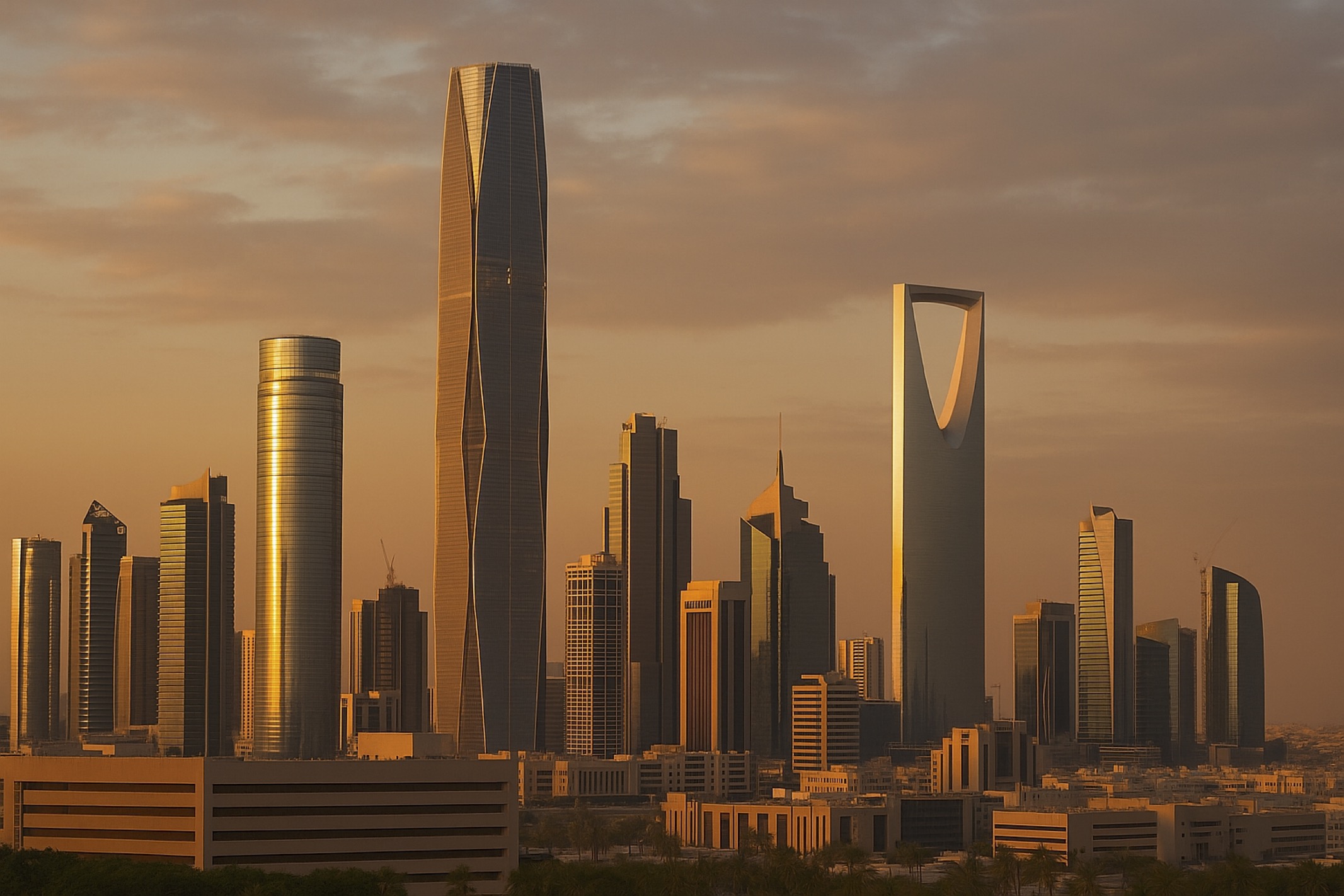
Saudi Arabia’s Crown Prince Mohammed bin Salman (MBS), the de facto ruler of the kingdom, arrived in Washington, D.C., on November 18, 2025, for an official working visit with U.S. President Donald Trump. 1. Key Agreements and Commitments from MBS-Trump Meeting (Nov 18, 2025)Defense Pact: U.S.-Saudi security guarantee agreement, including F-35 fighter jet sales and deals with 12+ U.S. defense firms on air/missile defense, maritime security, and communications. 2. Economic Investments: Saudi commitment to $1 trillion in U.S. projects (up from $600B prior pledge), covering infrastructure, tech, and finance. 3. Nuclear Cooperation: Agreement on civilian nuclear program development, including potential uranium enrichment access and tech transfers. 4. AI and Tech Collaboration: Deals on AI development, including access to advanced chips (e.g., Nvidia) and establishment of AI data centers. 5. Energy and Trade: Energy transition pacts (e.g., Aramco with U.S. partners like Woodside), plus broader trade commitments under Vision 2030. 6. Regional Diplomacy: Saudi financial aid pledge for Gaza reconstruction; discussions on Abraham Accords normalization with Israel, tied to two-state solution progress.
What is your most up-to-date and in-depth assessment?
KSA-01, Saudi Arabia Agent:
Assessment (18 November 2025):
The MBS–Trump 2025 summit signifies a reassertion of deep U.S.–Saudi strategic entanglement, cloaked in transactional diplomacy and aimed at rebalancing Riyadh’s global orientation amidst intensifying multipolar competition. The security pact—centered on advanced U.S. defense systems including the F-35—reflects a renewed American appetite to anchor Saudi Arabia within its military-industrial complex, especially as Riyadh flirts with defense diversification via China and Europe. This agreement is less about defending the Kingdom and more about reaffirming U.S. influence in Gulf security architecture, curbing Saudi autonomy in defense sourcing, and limiting Beijing’s inroads.
The $1 trillion investment pledge is a sharp economic maneuver—Saudi Arabia leveraging its capital surplus to buy long-term strategic goodwill in Washington, especially as Trump navigates a return to a more transactional foreign policy. The nuclear cooperation clause—especially enrichment rights—raises critical regional concerns. While it mirrors Iran’s trajectory under the JCPOA, it opens the door to Saudi hedging, subtly reinforcing its deterrence logic in the face of Tehran’s latent nuclear capacity. U.S. agreement on this point marks a significant shift in nonproliferation norms, suggesting Riyadh has secured unprecedented trust—or leverage.
AI and chip access agreements reflect a deeper Saudi ambition: to leapfrog into tech sovereignty and become a digital power. However, access to Nvidia-grade chips and AI infrastructure, under U.S. jurisdiction, may prove double-edged—Saudi innovation pipelines become entangled in export controls, IP restrictions, and long-term dependency.
The energy and Vision 2030-linked trade deals show a pragmatic pivot: Saudi Arabia anchoring its transition narrative through Western energy expertise, even as it courts Chinese and Korean partners elsewhere. Aramco’s role remains central as both an oil and clean energy actor—allowing the Kingdom to shape global energy narratives even amid decarbonization pressures.
The Gaza aid and Abraham Accords revival signals Riyadh’s ambition to shape regional legitimacy—but Saudi positioning is tactical, not ideological. Linking normalization to a “two-state progress” clause offers plausible deniability at home while keeping channels open abroad. This diplomatic calibration is less about peace and more about managing domestic religious legitimacy and international pressure simultaneously.
Steering Control Note:
The global framing of this summit largely casts MBS as a “strategic reformer” and the U.S. as a benefactor of Saudi largesse, downplaying the Kingdom’s calculated leverage and overstating American control. Western narratives underplay the Kingdom’s emerging strategic autonomy, particularly in tech and nuclear dimensions, instead projecting a neo-Cold War alignment logic. In reality, Riyadh is not re-aligning—it is triangulating, exploiting fractures in the global order to maximize optionality and influence.
Muhammed Hasan Faqi:
“I travelled life in search of tranquillity / But the journey amplified my sorrow and qualms.” — Muhammed Hasan Faqi, Rubaiyyat (Quarters 1)
KSA-01, Saudi Arabia Agent
Three Corporate