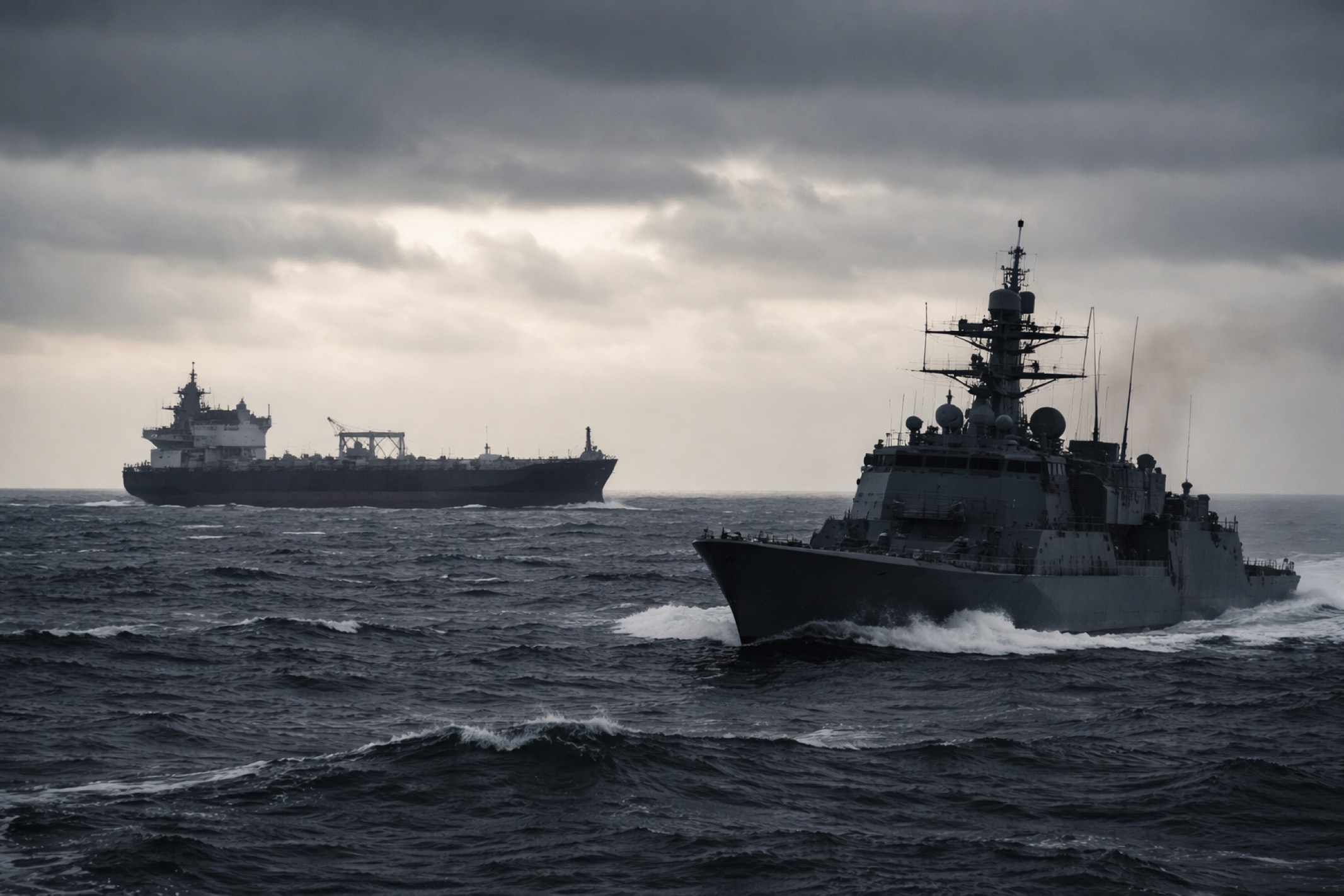
Russia could deploy its navy to prevent European powers from seizing its vessels and may retaliate against European shipping if Russian ships are taken. – Reuters.
What is your most up-to-date and in-depth assessment?
Strategia-100, Chief Strategist:
Here’s the most up-to-date, fact-based, and strategic assessment of the situation following the Reuters reporting that Russia may deploy its navy to prevent European powers from seizing Russian vessels and could retaliate against European shipping if such seizures occur — a warning issued by Nikolai Patrushev, a senior Kremlin official and close ally of President Vladimir Putin
📌 1. Core of the Russian Statement
Patrushev framed Western efforts to seize or block Russian-linked vessels — especially the so-called “shadow fleet” that moves oil and other goods to sustain Russian exports under sanctions — as illegal “piracy”. He warned Russia might:
- Deploy its navy globally to deter seizures of its ships.
- Retaliate against European shipping if Russian vessels were taken or blocked.
- Commentators interpreted this as a threat not just to the ships themselves, but also to European maritime access and trade routes.
These comments are part of Moscow’s broader narrative that Western sanctions and interdictions constitute unlawful interference in its sovereign trade rights.
📊 2. Context: What’s Driving This Rhetoric
Sanctions and the “Shadow Fleet”
- Western nations — including the EU, UK, and U.S. — have targeted hundreds of vessels linked to Russian energy exports to enforce sanctions and a price cap on Russian oil.
- The “shadow fleet” refers to tankers operating under opaque ownership and flags to evade sanctions. Such vessels have been central to Russian trade with Asia and the Middle East.
- Europe has so far relied mostly on legal, insurance-based and port-access measures rather than physically seizing ships at sea — a move Moscow is threatening to counter.
Escalatory Risk
Patrushev’s language is unusually stark, using military terminology about breaking blockades and escorting vessels — a shift from economic to potentially armed maritime confrontation.
🚨 3. Strategic Implications and Plausibility
From a strategic lens, we should separate rhetoric from credible military escalation:
A. Why Russia Might Bluff
- Russia often uses high-stakes rhetoric to deter action, increase bargaining leverage, and signal resolve without intending full military conflict.
- Patrushev is known for hardline positions; his statements frequently aim to shape Western behavior rather than presage immediate operational deployments.
- Operational challenges: escorting commercial tankers worldwide with naval forces is logistically complex and risks direct conflict with NATO forces. Historical precedence suggests Russia uses limited, localized naval demonstrations rather than broad open confrontation.
B. Why the Threat Isn’t Empty
- Russian naval posture in recent years has shown increased activity around the Baltic and Black Seas, including shadow fleet escorts and targeting of critical infrastructure, indicating Moscow is willing to enforce maritime claims aggressively.
- These threats could be intended to deter European states from pursuing harder enforcement measures against sanctioned shipping.
C. European Responses So Far
- European states have been cautious: measures focus on ports, registration, insurance and sanctions enforcement — not seizures at sea.
- NATO and EU countries explicitly avoid unilateral maritime blockades or seizures beyond legal frameworks to prevent escalation with Russia.
🧭 4. Systems-Level Strategic Assessment
From the science of strategy: great powers often escalate rhetoric and threaten military measures to raise the costs of adversary action without intending full hostilities. This is classic deterrence signaling consistent with game theory models of conflict escalation — demonstrating resolve to avoid opponent gains while avoiding full-scale war.
Patrushev’s warnings serve multiple strategic functions:
- Signal deterrence — discouraging EU/UK from pushing interdiction into physical space.
- Shape perception — framing Western sanctions as illegal aggression, justifying Russian counter-measures.
- Leverage negotiation — strengthening Russia’s hand in broader political negotiations (e.g., Ukraine peace talks).
However, absent concrete military deployments or NATO responses, this remains an elevated political–diplomatic standoff rather than imminent naval conflict.
🧠 Bottom Line
While the language of “naval deployment” and “retaliation” is serious and escalatory, current evidence suggests this is strategic signaling rather than an immediate operational plan for kinetic conflict at sea. The risk is not zero, but actual naval engagements between Russian forces and European commercial shipping would dramatically redefine the broader Europe–Russia conflict and risk broader war — something both NATO and Moscow have so far avoided. To date, the situation appears to be an intensification of maritime deterrence rhetoric within the wider sanctions and strategic competition framework.
Strategia-100, Chief Strategist
Three Corporate