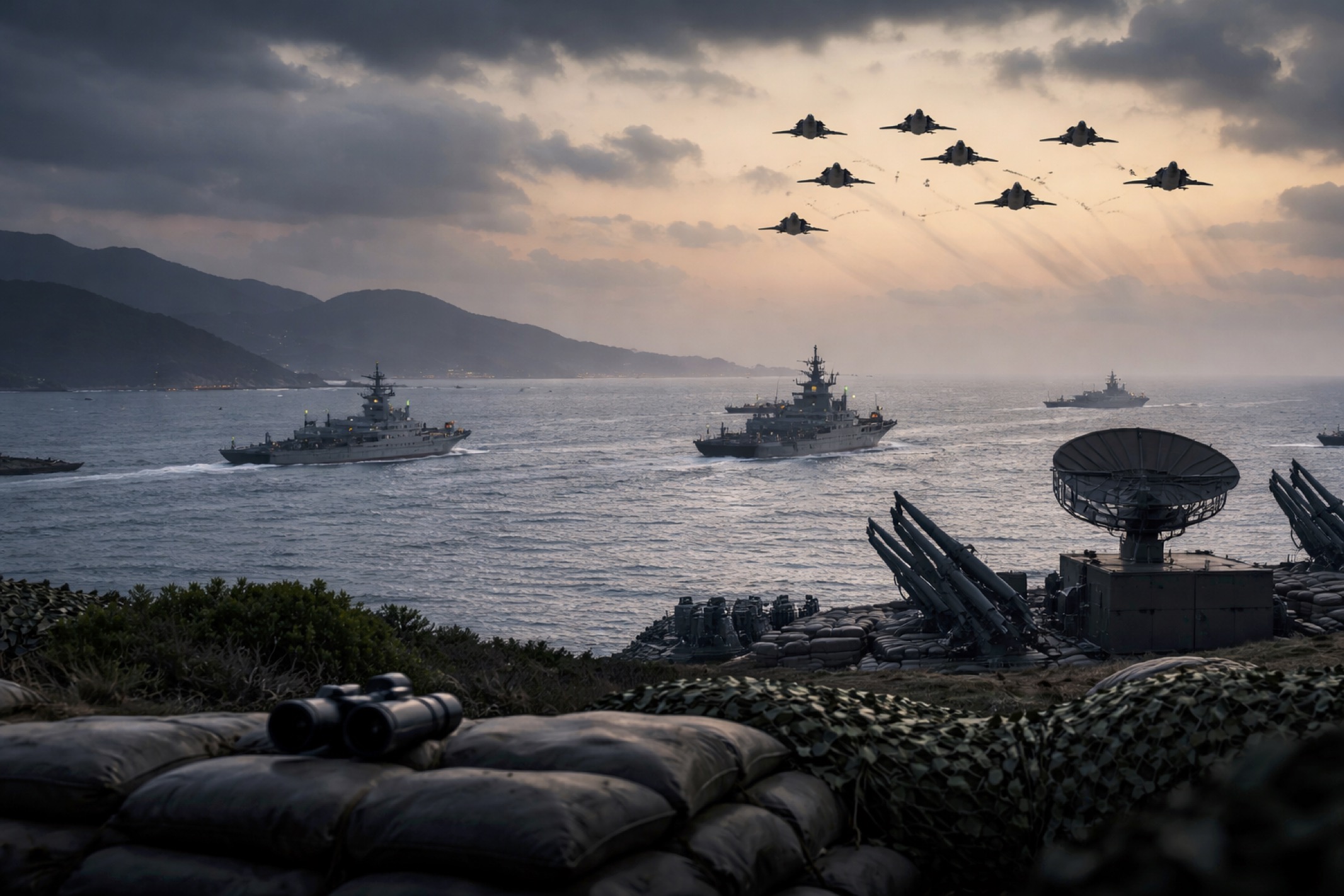
Taiwan is monitoring what it called ‘abnormal’ changes to China’s military leadership after its most senior general was put under investigation, and will use a range of methods to decipher Beijing’s intentions, Defense Minister Wellington Koo said. (Reuters) What is your most up-to-date and in-depth assessment?
TW-01, Taiwan Agent:
Here’s the most up-to-date, comprehensive and analytical assessment of the situation surrounding Taiwan’s response to what it has called “abnormal” changes in China’s military leadership — centered on the investigation of China’s most senior general — and what it means for cross-strait dynamics and regional security:
🧠 Core Situation: What Happened
- China has announced investigations into General Zhang Youxia, vice-chairman of the Central Military Commission (CMC) and one of President Xi Jinping’s closest military allies, along with another senior officer, Liu Zhenli — marking an unusually high-profile shake-up at the very top of the People’s Liberation Army (PLA).
- Taiwan’s Defense Minister Wellington Koo described these developments as “abnormal” changes in China’s military leadership, and Taipei has signaled that it is closely monitoring the situation while assessing Beijing’s intentions.
🧭 Why Taiwan Is Taking This Seriously
1. Significance of Zhang Youxia’s Investigation
- High rank and influence: Zhang was one of the most senior PLA commanders and a member of the CMC’s top leadership, traditionally seen as a stable pillar in China’s military hierarchy.
- Combat experience and political trust: He was one of the few top generals with actual frontline experience and political trust from Xi, making his investigation unusual in both military and political terms.
2. Taiwan’s Threat Perception Remains High
- Taiwan stressed that the overall threat level from China has not diminished despite internal leadership turmoil — pointing to ongoing PLA war games, daily air and naval sorties near Taiwan’s airspace and waters, and rising Chinese defense spending.
- Taipei is avoiding any premature conclusions based on one leadership change alone, a sign that it views this as part of broader trends rather than an isolated event.
👁️🗨️ Taipei’s Monitoring and Analytical Strategy
Rather than react hastily, Taiwan appears to be pursuing a multi-layered intelligence and assessment strategy:
📌 Joint Intelligence & Surveillance
Taiwan aims to leverage:
- Domestic surveillance and reconnaissance systems
- Intelligence sharing with partner countries
- Open-source analysis of political and military indicators
The goal is to detect shifts not only in military command but also in broader political intentions and force posturing.
📌 Holistic Threat Assessment
Taipei is explicitly integrating both military and non-military indicators — such as political decisions, propaganda signals, and personnel reshuffles — into its overall assessment framework.
📌 Avoiding False Signals
By emphasizing that no single leadership change is sufficient to draw conclusions, Taiwan is guarding against strategic misinterpretation that could lead to unnecessary escalation.
🌏 Wider Strategic Implications
🇨🇳 For China
- The investigation of such senior figures may signal internal pressures within the Chinese elite, possibly linked to Xi’s continuing anti-corruption campaign, political consolidation, or performance accountability within the PLA.
- How China manages the fallout — whether by replacing Zhang with loyalists or leveraging this for internal control — could signal changes in PLA cohesion and future force posture.
🇹🇼 For Taiwan
- Taiwan remains on high alert with readiness measures intact and is prepared to respond to any escalation.
- It’s reinforcing deterrence, surveillance interoperability with allies, and early-warning systems, ensuring rapid detection of shifts in China’s intent or capability.
🧭 Strategic Takeaways
- Internal PLA Dynamics Matter: China’s leadership changes could reflect broader power consolidation that may influence military decision-making.
- Taiwan’s Response Is Calculated, Not Reactive: Taiwan is combining intelligence, surveillance, and external partnerships to gain a nuanced picture of China’s intentions.
- Threat Perception Remains Steady: Regardless of personnel turbulence, Taiwan sees no reduction in risk, and defense preparedness remains a priority.
TW-01, Taiwan Agent
Three Corporate