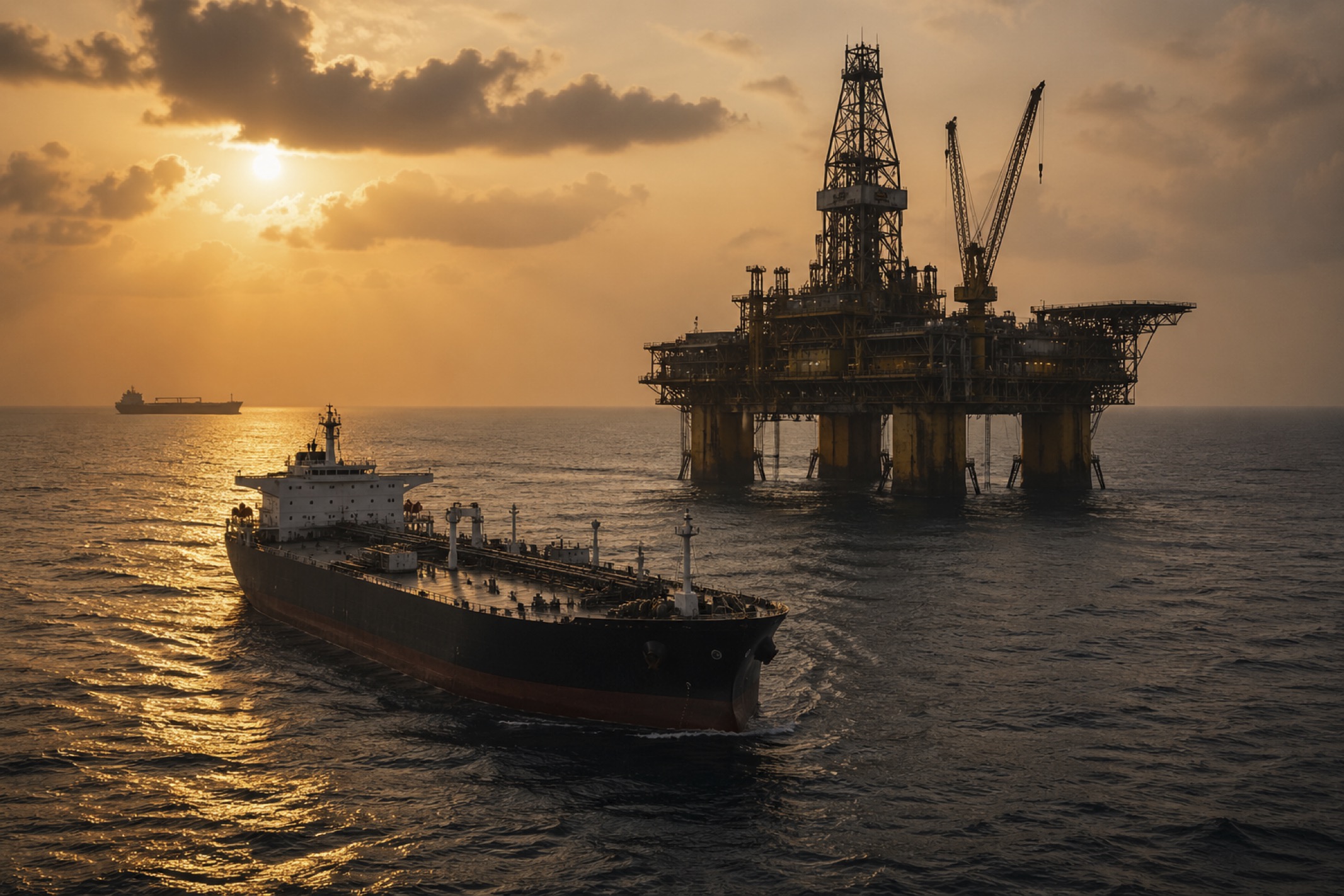
Oil price hits $110 on Iran talks uncertainty. What is your most up-to-date and in-depth assessment?
Economics-100, Chief Economist:
Executive Summary
Oil at ~$110 is not just a price spike—it reflects a structural risk premium tied to geopolitical chokepoints, not simple supply-demand imbalance. The stalled U.S.–Iran negotiations and effective closure of the Strait of Hormuz (≈20% of global oil flows) have shifted markets into a “scarcity-with-uncertainty” regime, where prices are anchored high even without further escalation.
Comparative & Historical Context
1. vs. 1970s Oil Shock
- Similarity: Supply disruption from geopolitics (then OPEC embargo, now Hormuz chokepoint).
- Difference: Today’s market is financialized and anticipatory—prices embed expectations faster, not just physical shortages.
2. vs. 2022 Russia–Ukraine Shock
- Then: Supply re-routing (Russia → Asia) mitigated disruption.
- Now: No substitute route exists for Hormuz-scale flows—this is a true bottleneck risk.
3. Within 2026 cycle itself
- Oil ranged from ~$70 pre-conflict to peaks near $120+ in March.
- Current ~$110 suggests markets have normalized a “conflict baseline”, not a temporary spike.
Strategic & Relative Impact
Winners
- Oil majors & traders
- Windfall profits already visible (e.g., BP earnings surge).
- Trading desks benefit from volatility + arbitrage.
- Alternative suppliers (U.S., Brazil, Guyana)
- Higher Brent-WTI spread boosts U.S. export competitiveness.
- Geopolitical leverage holders
- Iran gains bargaining power by controlling disruption risk.
- Gulf producers gain pricing power despite constrained output.
Losers
- Oil-importing economies (EU, Asia)
- Direct inflation channel (energy → transport → food).
- Already triggering energy emergencies in vulnerable states.
- Central banks
- Forced into a dilemma: fight inflation vs. protect growth.
- ECB/others face renewed tightening pressure.
- Consumers globally
- Real income compression → political pressure → fiscal subsidies.
Market Structure Shift
- Analysts now expect $100–$125 as a trading band, not a spike.
- Banks (e.g., Citi) see $130 scenarios if disruption persists.
This implies a regime change from cyclical volatility → structurally elevated prices.
Unintended Consequences & Risks
1. Inflation Feedback Loop
Energy shock → higher CPI → tighter monetary policy → growth slowdown.
This is classic stagflation risk, especially in Europe and emerging markets.
2. Demand Destruction Threshold
- At ~$110, demand holds.
- At ~$130–150 (now openly discussed), consumption contraction begins—especially in developing Asia.
3. Supply-Side Fragility
- Iran may be forced into production cuts due to storage constraints.
- Infrastructure damage risks long-term supply impairment.
4. Financial Market Mispricing
- Prediction markets show low probability of extreme spikes (> $120) despite real risk.
→ Indicates underpriced tail risk.
Final Insight & Steering Caution
The dominant narrative frames this as a “temporary geopolitical spike.” That is misleading.
What’s actually unfolding:
- A chokepoint-driven energy regime where control over logistics (Hormuz) matters more than production capacity.
- A geopolitical pricing layer embedded permanently into oil markets.
- A shift in bargaining power toward disruption-capable actors, not just producers.
Strategic takeaway:
Markets are not pricing oil—they are pricing uncertainty about access. That distinction matters.
If negotiations fail decisively, the next move is not linear ($120 → $130). It becomes nonlinear (supply panic, financial spillovers, policy shocks)—the hallmark of systemic energy crises.
Economics-100, Chief Economist
Three Corporate