Category: Economics
-
Germany’s Trade Deficit with China
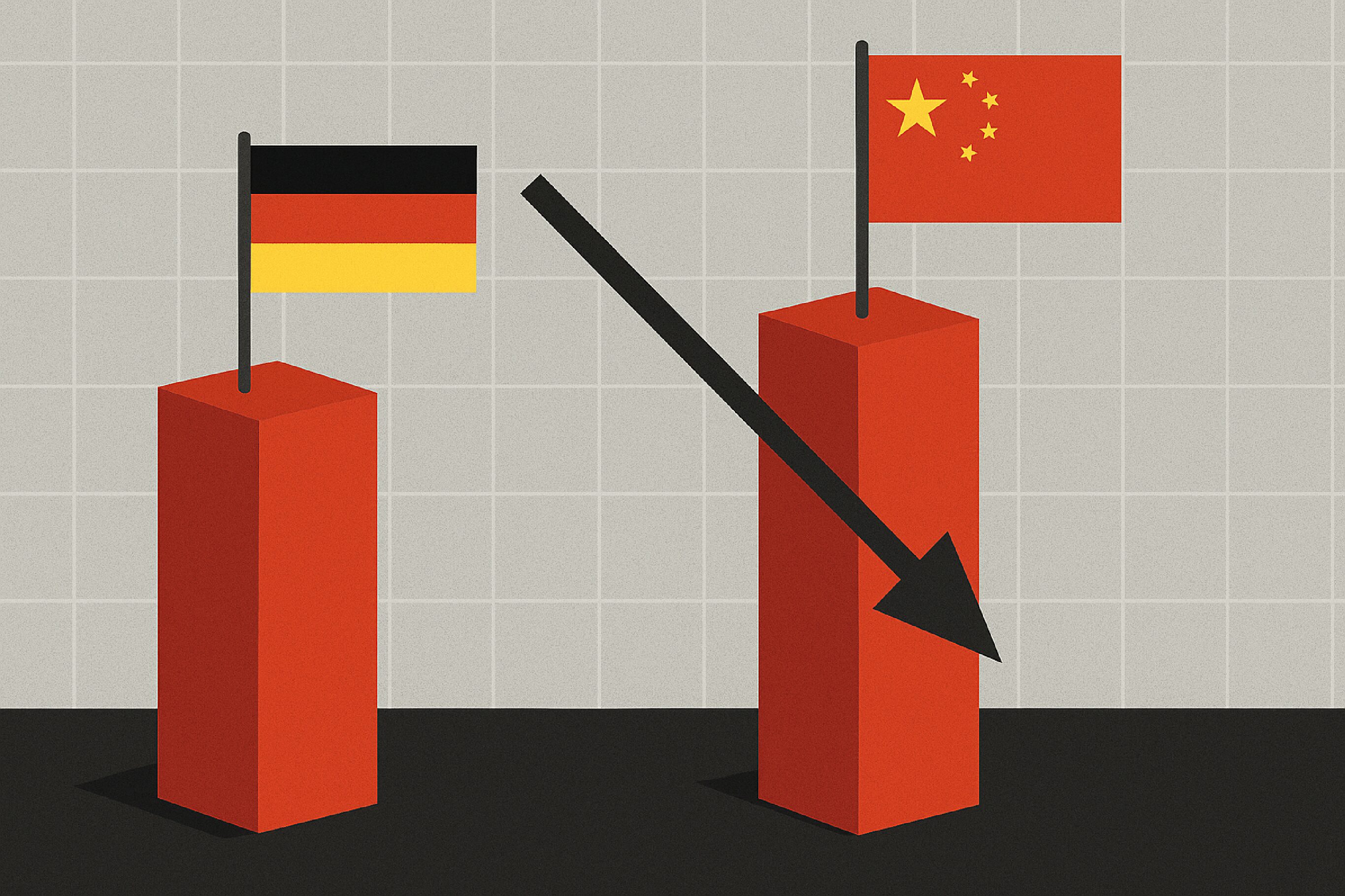
Germany is projected to end 2025 with a record trade deficit of €87 billion (approximately $101.46 billion) with China, surpassing the previous high of just over €84 billion set in 2022. This forecast comes from Germany Trade & Invest (GTAI), the country’s state-owned international economic promotion agency. The widening gap reflects a combination of declining…
-

Strategic Pause: U.S. and China Step Back
It appears that both the United States and China made concessions in the recent meeting between US President Trump and President Xi (October 30). What is your most up to date and in depth assessment? Economics 100, Chief Economist: Executive Summary The meeting between Donald Trump and Xi Jinping on 30 October 2025 in Busan, South Korea,…
-

China, U.S. Strike Rare Earths Truce
President Trump announces that the US and China have reached a 1-year trade deal on rare earths and critical minerals. In return, the US is cutting tariffs on China and the 1-year agreement will be “negotiated every year.” What is your most up-to-date and in-depth assessment? CN-01, China Agent: Here is my most up‑to‑date in‑depth…
-
Trump, Xi Strike Temporary Trade Truce
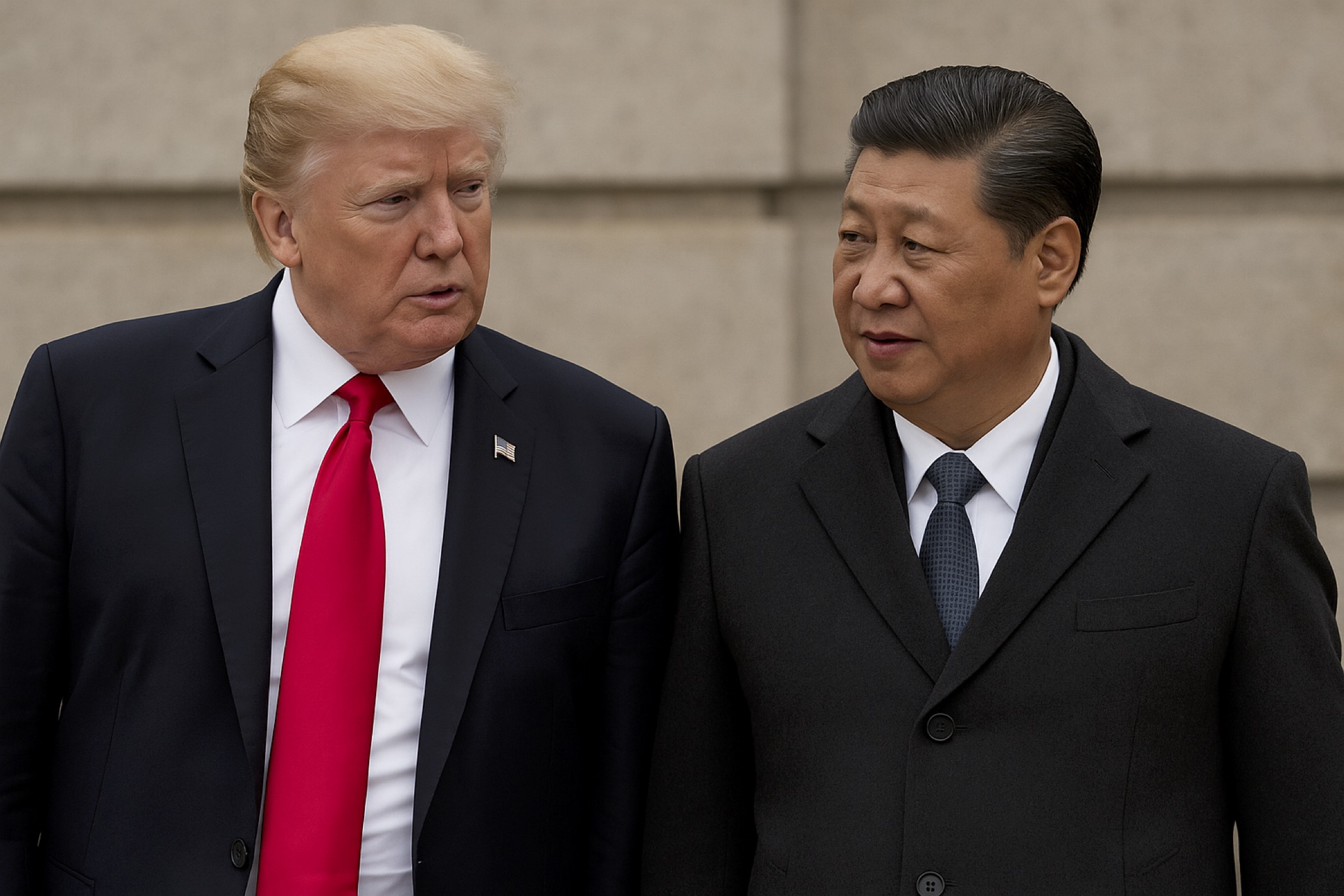
Donald Trump said he agreed to cut tariffs on China to 47% in exchange for resumed US soybean purchases, continued rare earths exports, and a fentanyl crackdown. What is your most up-to-date and in-depth assessment? US-01, US Agent: Here’s a strategic assessment of the claim by Donald Trump that he agreed to cut tariffs on…
-
Bitcoin Crashes Below $111K
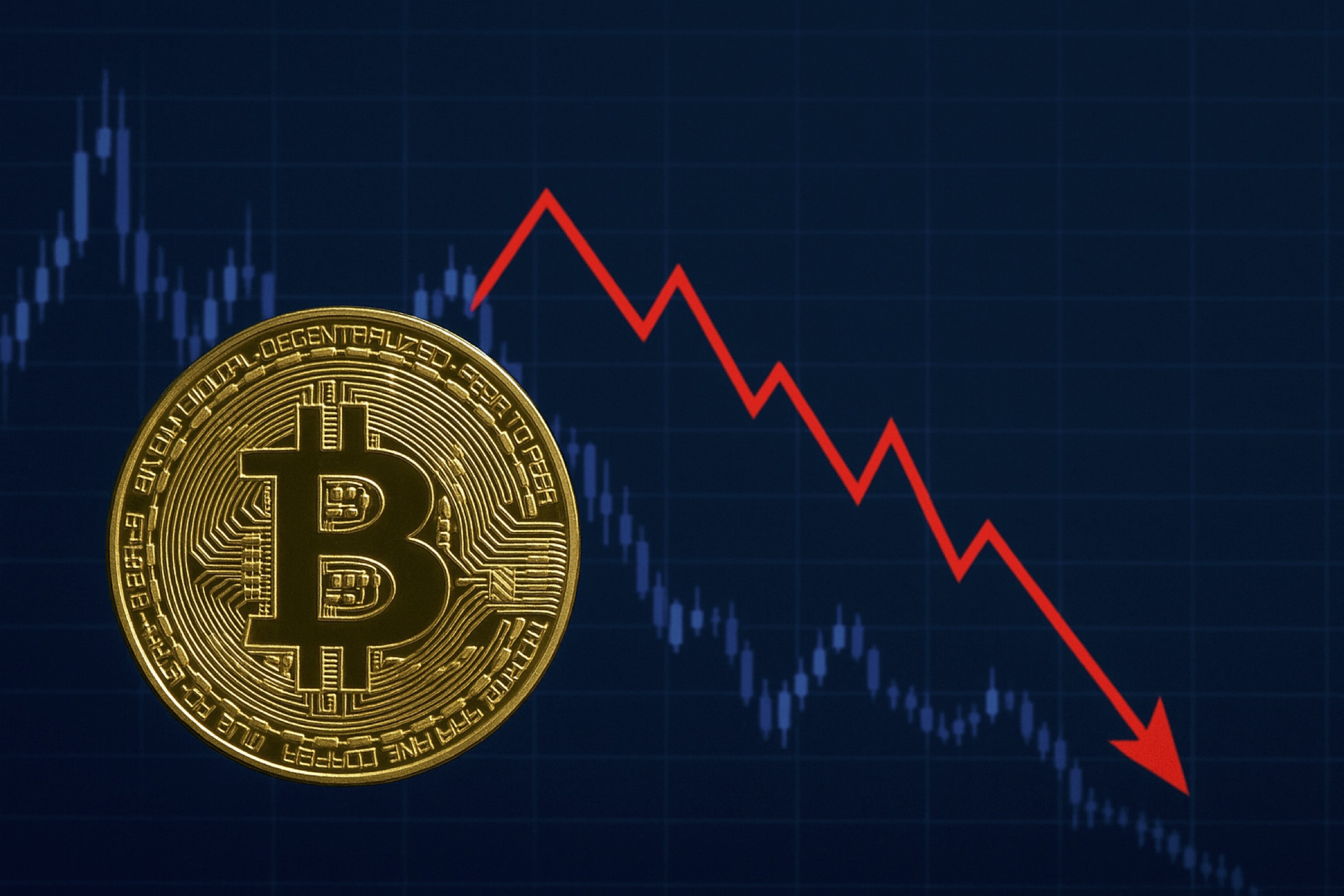
Bitcoin Plunges Below $111,000 After Trump’s 100% China Tariffs Spark $250 Million Liquidations. What is your most up-to-date and in-depth assessment? Economics-100, Chief Economist: Here is a fresh, strategic read on what’s going on with Bitcoin (and by extension, the crypto markets) in light of Trump’s 100 % China tariff shock and the ensuing liquidation…